
Woolworths & WIRES
Nourishing Australian wildlife through our Food for Wildlife Program
The Woolworths and WIRES partnership began in January 2020, formed in direct response to the devastating Black Summer bushfires. Since then, this vital collaboration has grown, reflecting a shared commitment to protecting Australia's vulnerable native wildlife, supporting dedicated wildlife carers, and tackling food waste across the nation. Through the Woolworths & WIRES Food for Wildlife Program, Woolworths has become Australia's largest provider of free food for wildlife, raising over $2 million through corporate donations and customer fundraising initiatives, demonstrating a powerful intersection between conservation and responsible retail practic
This expansive program is built upon three crucial pillars:
- Rescue Food Program: This initiative repurposes surplus meat, fish, fruit, and vegetables from 156 participating Woolworths stores, redirecting thousands of kilograms of food that would otherwise go to waste. It supports 94 wildlife groups and over 1,700 carers, providing essential nutrition for thousands of native animals and covering an average of 45% of carers' annual food costs. This program alone diverted an estimated 260,000 kg of food waste from landfill in FY25.
- Food Support Program: Funded by customer purchases of special Woolworths products like Reindeer Carrots and Wally the Wombat cakes, this program provides financial credits to 240 wildlife groups and individual carers. These funds enable carers to purchase specialised high-quality food and formula from 12 trusted suppliers, easing the significant financial burden of rehabilitating over 28,000 animals annually.
- Disaster Relief Program: Established to provide swift and effective responses during natural disasters, this program offers critical funding and support to wildlife carers, vets, and rescue organisations affected by extreme events such as bushfires, floods, droughts, and heatwaves. In FY25, over $44,000 in funding was provided, assisting 12 groups across four states during 10 emergency events with food, rescue equipment, and essential supplies.
From reindeer carrots to rescued lives, this is the Woolworths and WIRES Food for Wildlife partnership
The joyful act of buying Reindeer Carrots at Christmas launched a wildlife rescue revolution. Through the "Woolworths & WIRES Food For Wildlife Program", Woolworths has become Australia's largest donor of food for wildlife, supporting over 1,400 carers and rescuing over 45,000 animals annually.
It's a testament to the power of partnership, where 10 cents from carrot sales at Christmas translates into specialised formulas, emergency relief, and a brighter future for our native animals. The program's reach is vast, spanning food rescue, disaster relief, and specialised food support across all States and Territoires of Australia.
Australians have helped raise over $2 million, funding a network of dedicated carers who give their all to rescue and rehabilitate our precious, native wildlife.
Olivia, the endangered Loggerhead Turtle, that only eats hand-peeled prawns from Woolworths Broome, returned to the sea.
Remember, if you find sick, injured or orphaned native animals call 13 000 WIRES or visit wires.org.au to report a rescue.
Some of our feathered and furry friends
Read about some of the unique native animals that are being cared for right across the nation by the many registered wildlife carers being supported by the Woolworths & WIRES Food For Wildlife Program
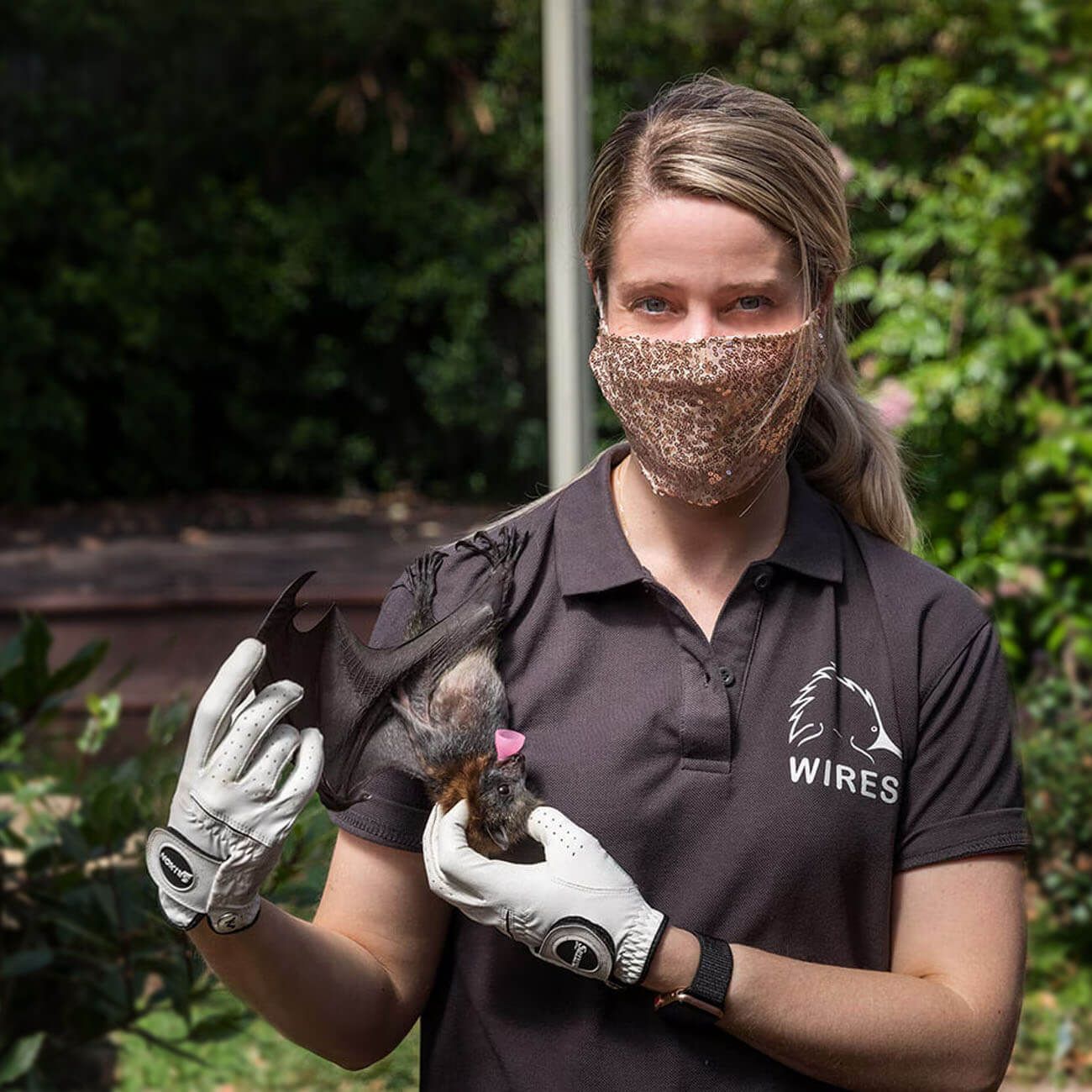
WIRES registered wildlife carer, Sarah (aka Batwoman) with Uno the Bat
Uno is so called as this little guy was the first grey-headed flying fox of the season to be rescued. Sarah is the first line of care for these very important, native Australian pollinators, often arriving to her as orphaned infants. Once strong enough, Sarah passed them on to another line of carers that prepare them for flight, before releasing them back into the wild.
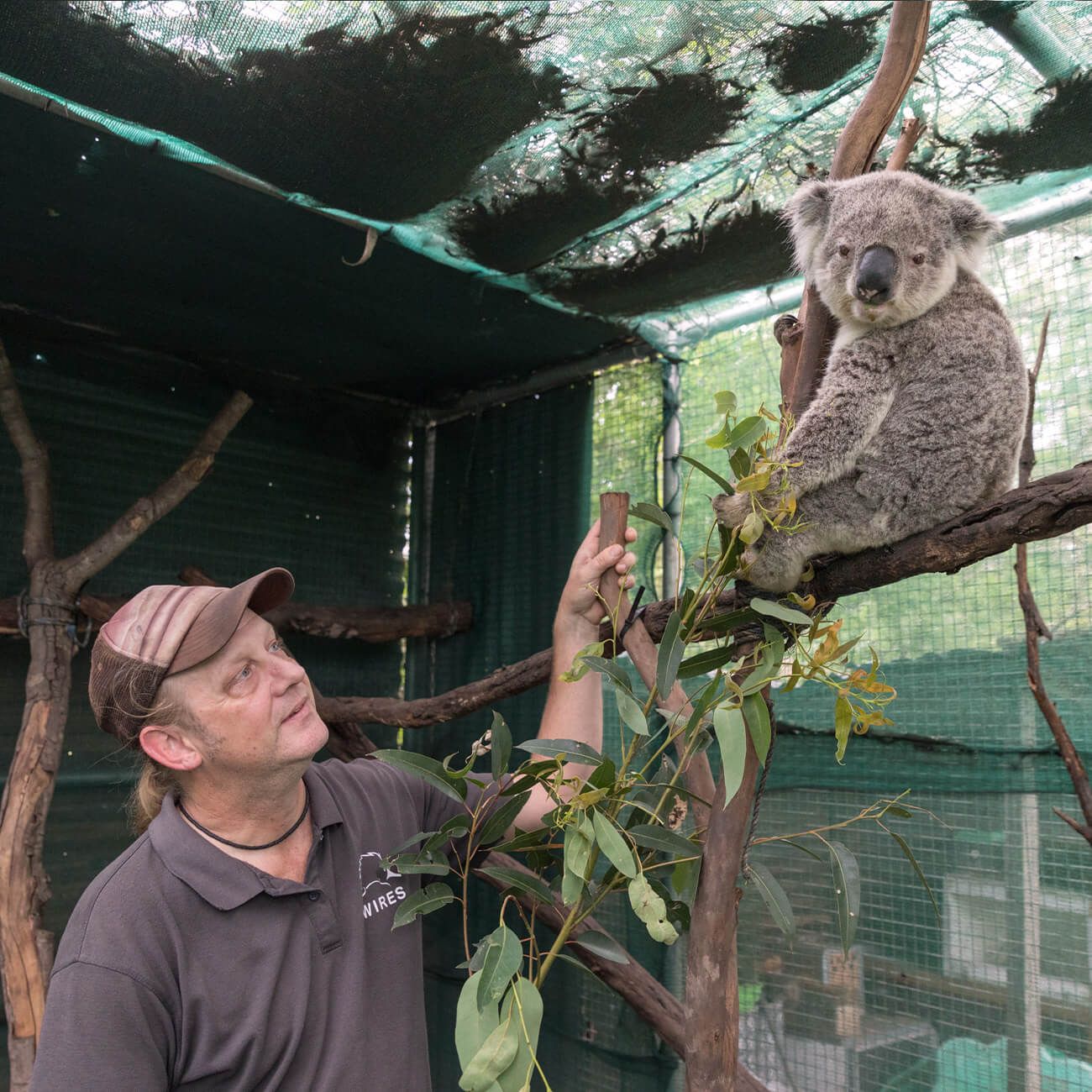
WIRES registered wildlife carer, Morgan, with Roger the Koala
Over the years Morgan rescued, fed and cared for many, many Koalas. A lot of them, like Roger, come into his care as they have Chlamydia, which is quite a dangerous and debilitating disease for Koalas. But with Morgan’s close medical care, and specialised feeding, he is able to often cure these animals and return them to the wild.
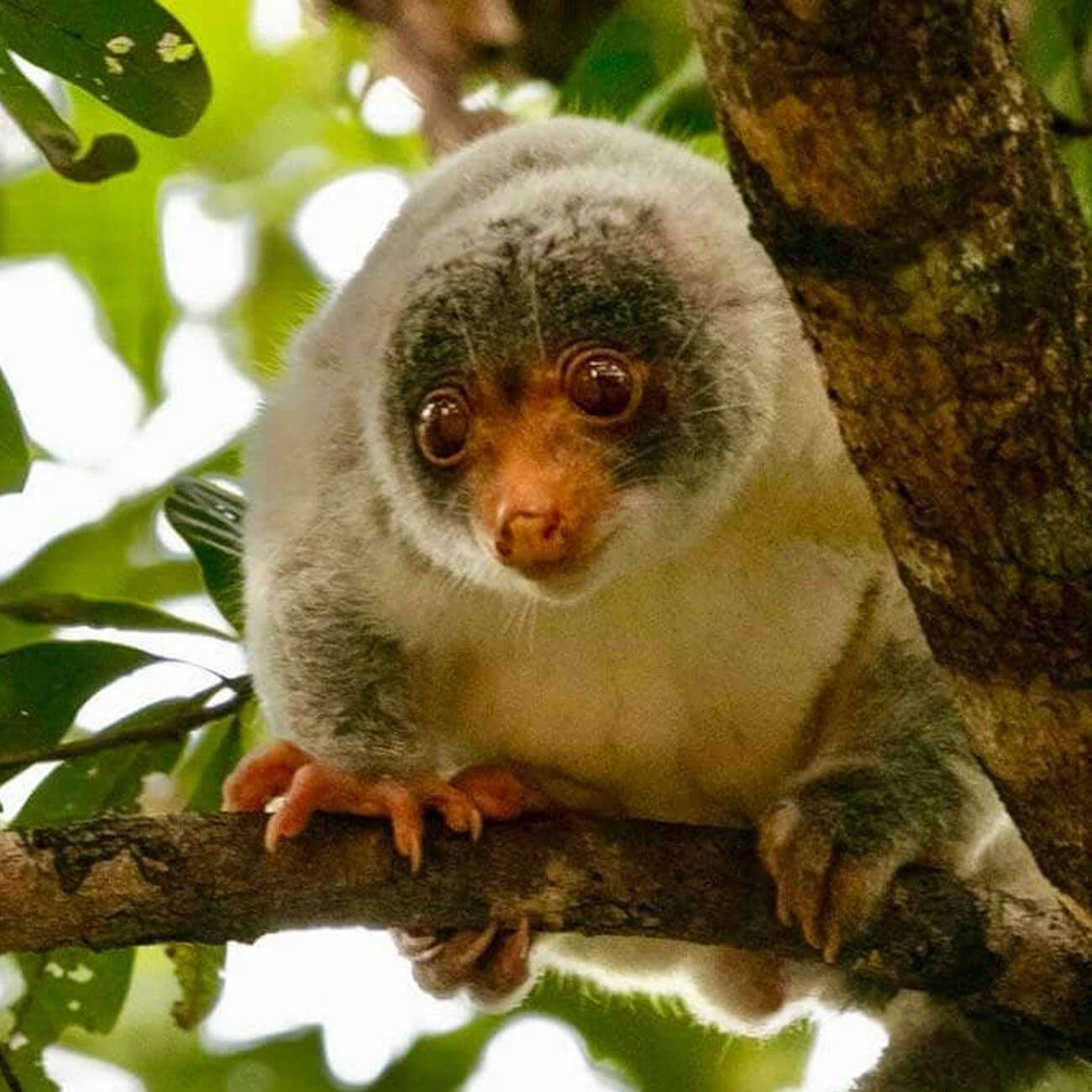
Cuzzy the Spotted CusCus, from Weipa Wildlife, QLD
Meet Cuzzy the CusCus! Cuzzy was found as a tiny baby on a road between Marpoon and Weipa, and was rescued by Weipa Wildlife in QLD where he spent 3 months until he was big enough to be released into a wildlife sanctuary (Australia Zoo reserve). While in care Cuzzy loved to eat apples and blueberries, and lots of different types of veggies. Thank you Weipa Woolies for supporting Cuzzy and this amazing wildlife group.
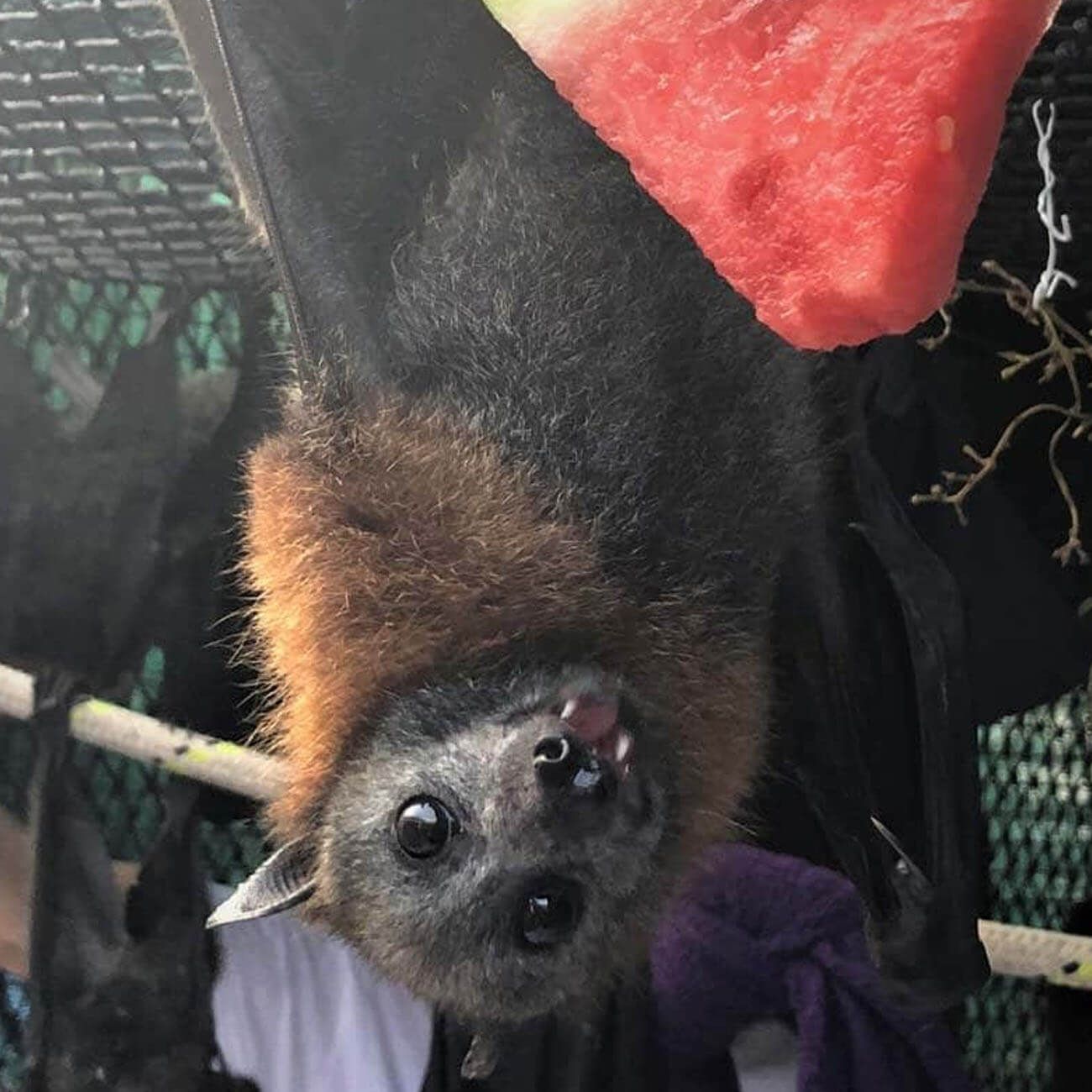
Grey Headed Flying Fox, Calypso, Sydney Wildlife, Sydney
Meet Calypso, a grey headed flying fox rescued by Sydney Wildlife carer Diane during the catastrophic bushfires. Calypso came into care very malnourished and dehydrated. Thank you Neutral Bay woolies for donating fruit to this extremely important Australian species.
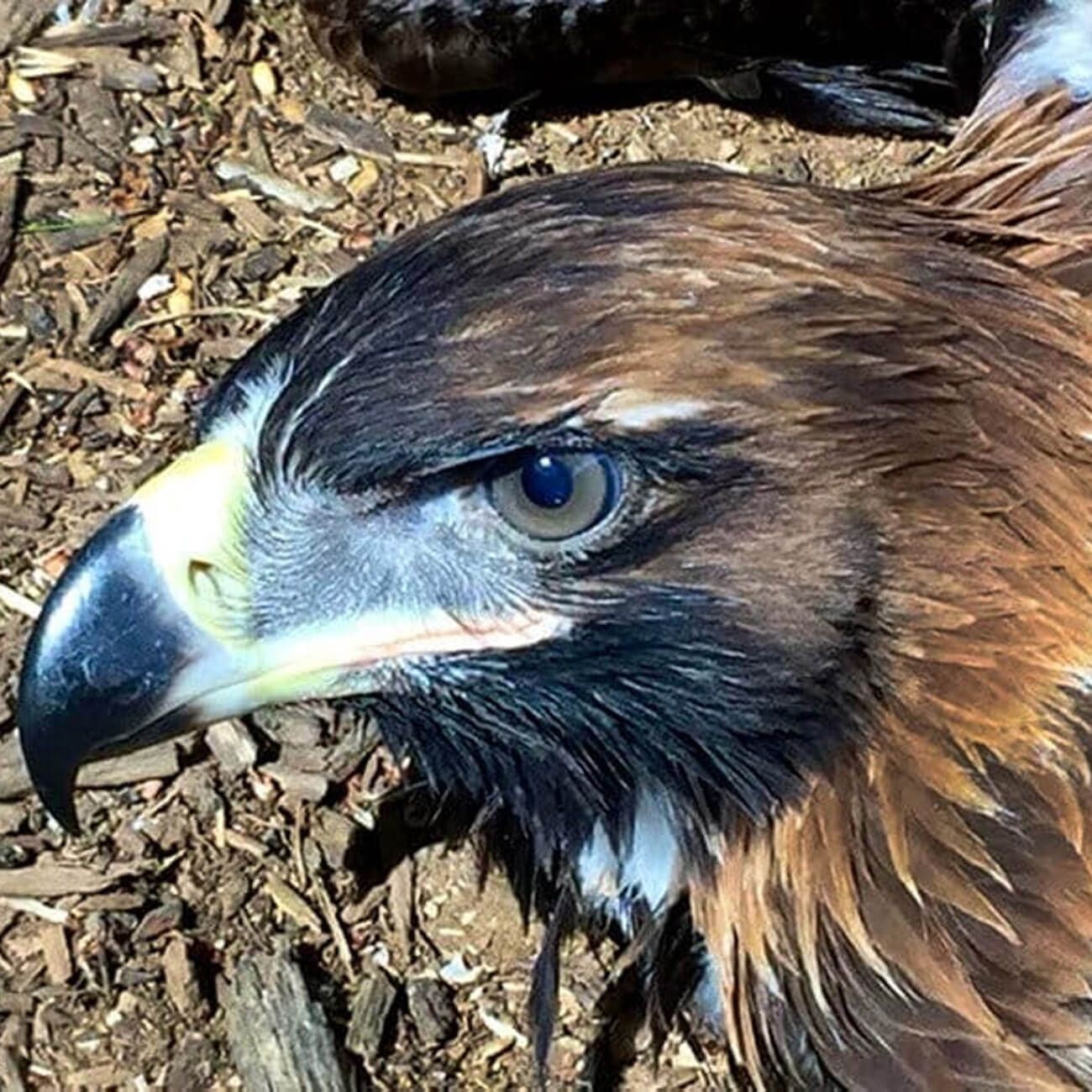
Wedge-tailed Eagle, Staghorn Wildlife Shelter, Staghorn Flat, VIC
Meet this stunning juvenile wedge-tailed eagle who was in care Staghorn Wildlife Shelter - who specialises in care for birds of prey. This magnificent bird was found on the road, weak and likely with an infection. After fluids, antibiotics and an all you can eat buffet, she was ready to go back into the wild. Being carnivorous, this bird eats animal products only. Thank you Woolies White Box, Wodonga for supporting this amazing wildlife group - your fruit and vegetable donations allow more resources to other species in care, like these amazing birds of prey.
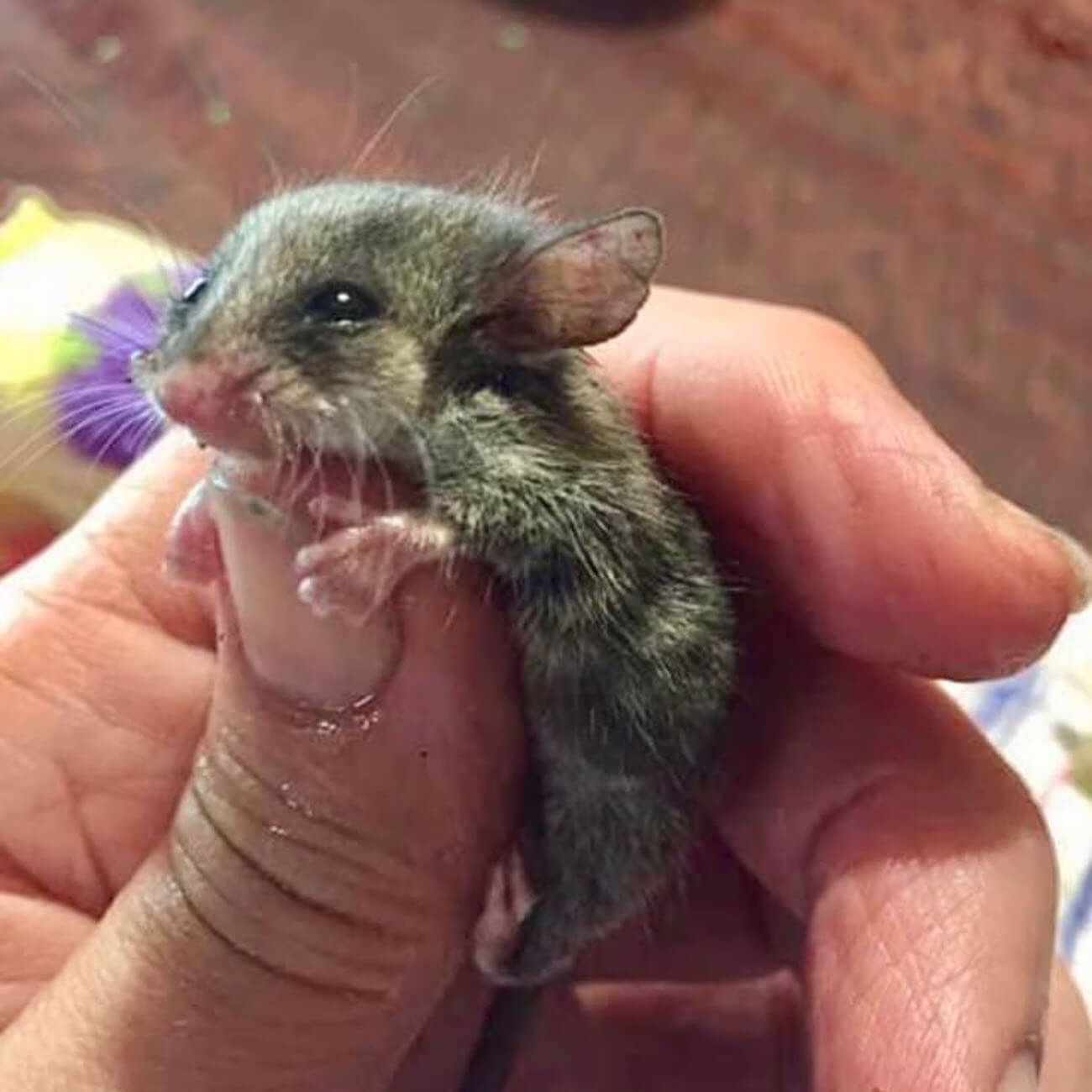
Little Pygmy Possum, Merle, Staghorn Wildlife, Staghorn Flat, VIC
Meet Merle, the world smallest possum weighing a tiny 8 grams or about the same as a teaspoon of sugar. Merle, who was first mistaken as a mouse, is an Australian species of possum called Little Pygmy Possum. He was in care after a bush walker found him looking rather unwell. Merle was later successfully released back into the wild, hopefully to start a family. Thank you Woolies for supporting amazing wildlife groups like Staghorn Wildlife Shelter.
FUN FACT: Little Pygmy Possums are the smallest possums in the world!
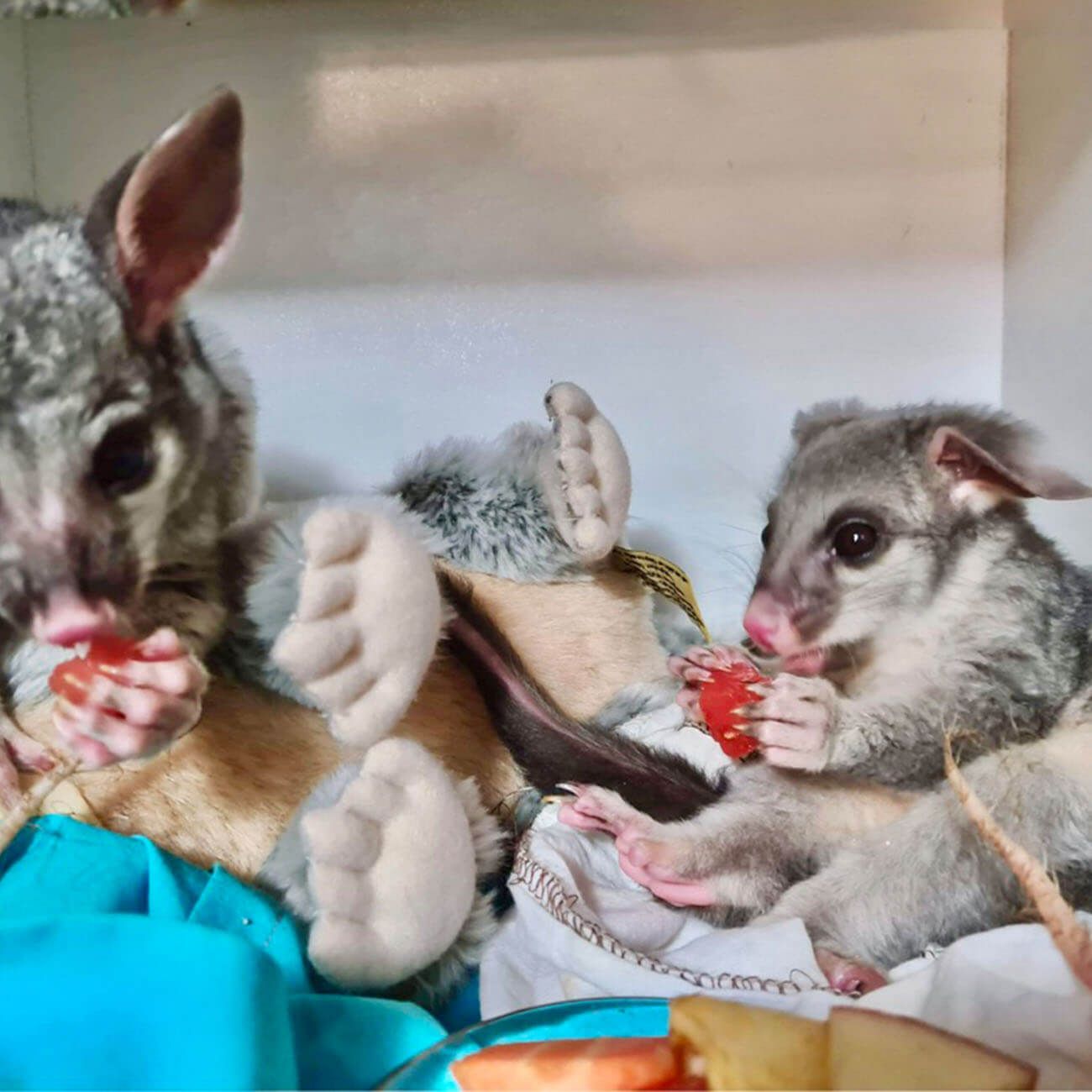
Brushtail Possums, Baker and Brian, ACT Wildlife, ACT
Meet Baker and Brian, two adorable brushtail possums in care with Kate from ACT wildlife. These boys were found a few days apart in similar circumstances. Brian at 168gms was found in a backyard on a very cold and frosty morning, while Baker at 120 grams was found on a ladies verandah also a frosty morning, he was near frozen. The pics are of them now - much bigger enjoying the fantastic fruit and veg provided by Woolies (and the very hard work of Kim Butler who collects and distributes all the food!) Thank you Woolies Kippax, Erindale, Dickson, and Mawson!
FUN FACT: Brushtail Possums are different colours depending upon what climate they live in!
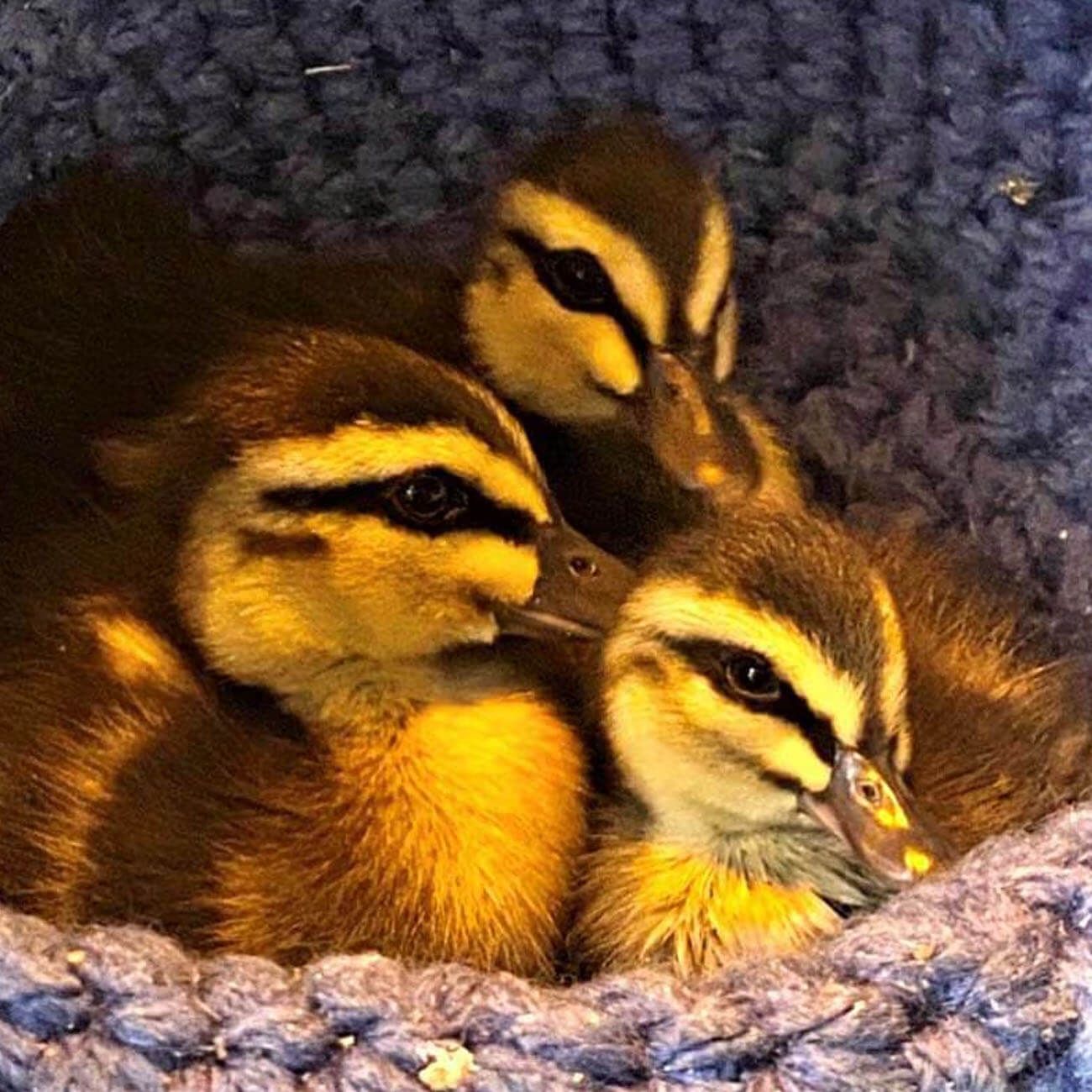
Pacific Black Ducklings; Hewey, Lewey and Dewey, Dutch Thunder Wildlife, Koonoomoo, VIC
Meet Hewey, Lewey and Dewey the Pacific Black ducklings. These little ducklings were rescued by Kylee from Dutch Thunder Wildlife in Koonoomoo, VIC. They came into care from 3 seperate rescues. These little guys are enjoying a special diet, which includes fresh greens, corn and grated carrot from the Woolies Food for Wildlife program - Thank you Cobram Woolies!
FUN FACT: Pacific black ducks have a magnificent green speculum (patch on their feathers); this patch is best seen when the ducks are in flight!
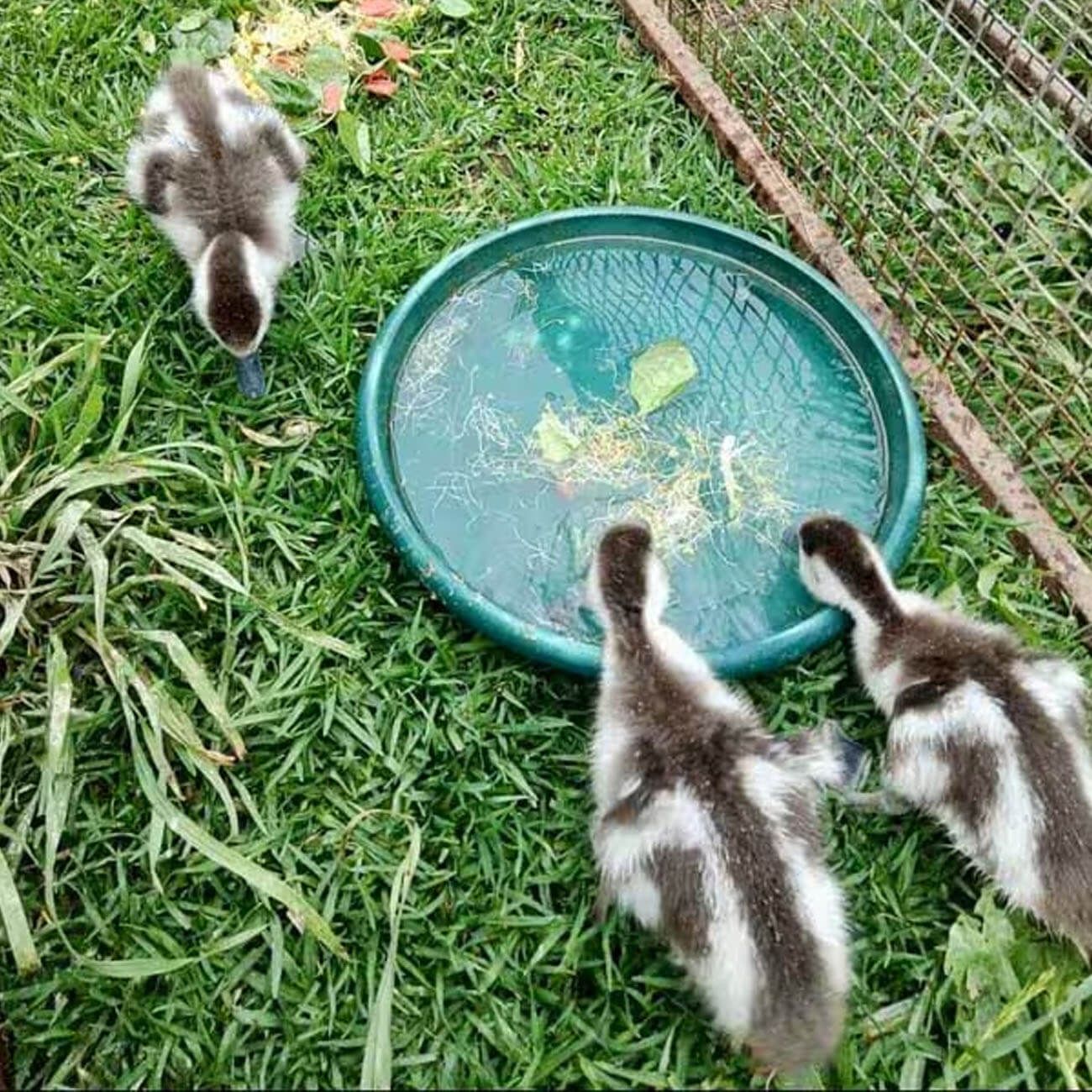
Mountain Ducklings, Staghorn Wildlife Shelter, Staghorn Flat, VIC
These three little Mountain Ducklings are in care at Staghorn Wildlife Shelter, Staghorn Flat, VIC after they were following chooks in Mountain Creek Tawonga - mistaking the chooks for their mum! After searching the area and local dams there was no sign of the ducklings parents, or the rest of the ducklings. While in care these little ducklings are enjoying some treats of water melon, Alfa sprouts and lettuce leaves supplied by the White Box, Wodonga Food for Wildlife Program - Thank you Woolies!
FUN FACT: Mountain Ducks are also called The Australian Shelduck, and when they are adults they are black, white and chestnut with a vivid green stripe across their wing!
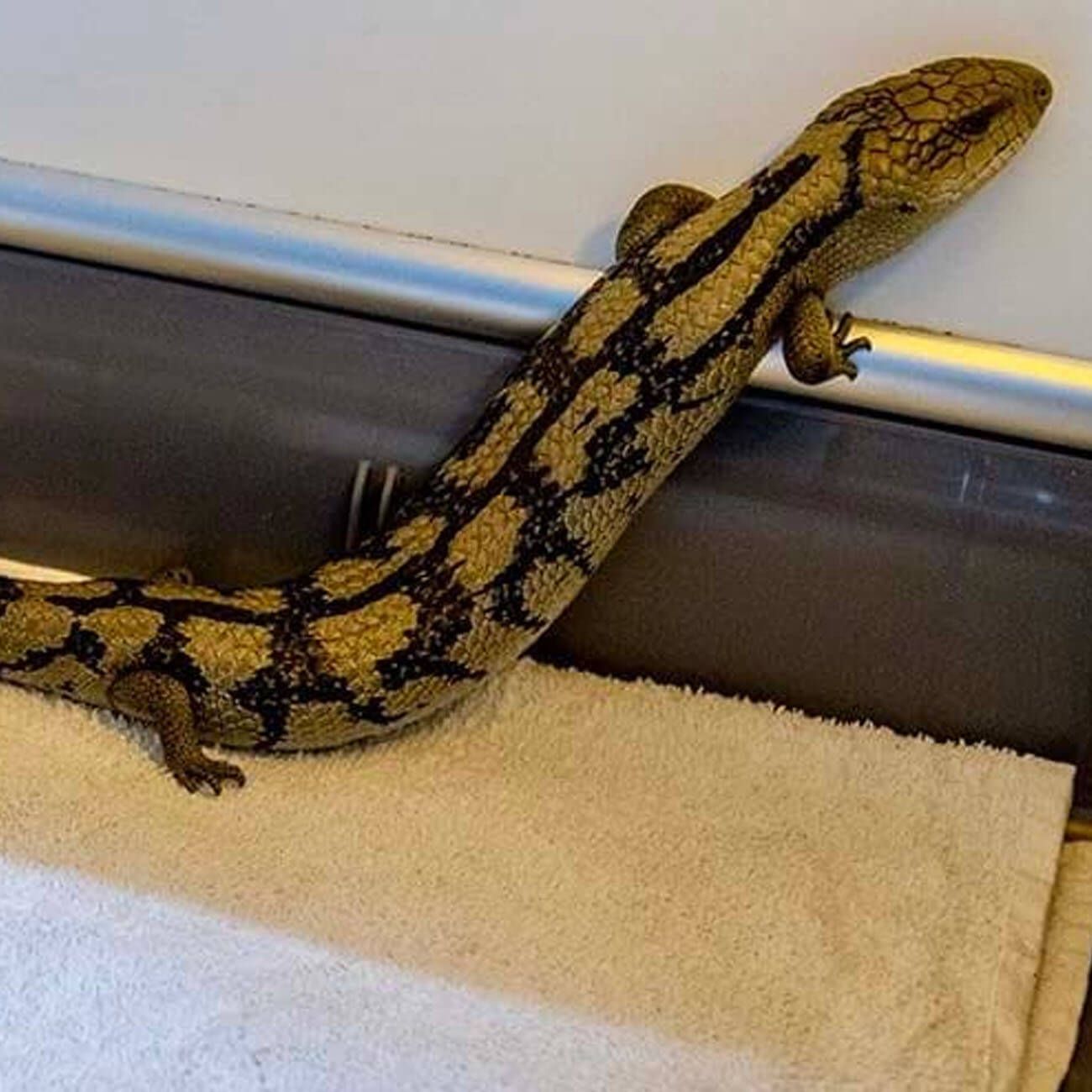
Blue Tongue Lizard, AWARE Wildlife, Frankston, VIC
This little guy is a blue tongue Lizard, they are omnivorous and in care eat a variety of fruits and vegetables sprinkled with a reptile supplement together with snails, crickets and mealworms. This guy came into AWARE after he was injured by a dog (please remember to walk dogs on a leash in bushland areas!). Thank you Baxter woolies for supporting AWARE life and providing grapes, berries, apple, broccoli, sweet potato, sprouts and melon for this cool little lizard.
FUN FACT: Their blue tongue is used to scare away predators like Kookaburras and snakes!
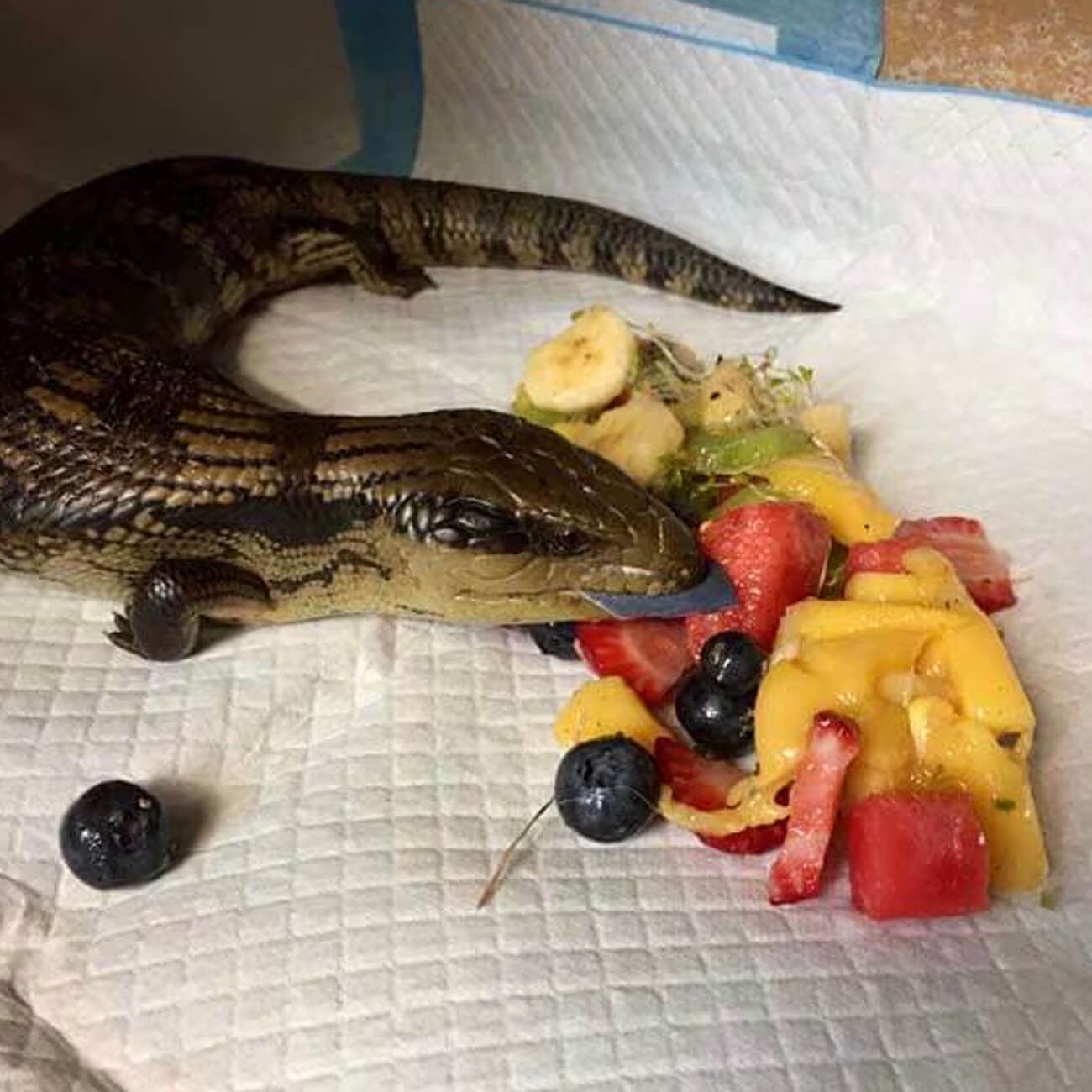
Blue Tongue Lizard, Staghorn Wildlife, Staghorn Flat, VIC
This blue tongue lizard came into care at Staghorn Wildlife Shelter, Staghorn Flat, VIC after being attacked by a dog. Sadly, many lizards come into after dog attacks (please always keep your dog on a leash in bushland areas!). While she is recovering on antibiotics she’s enjoying some strawberries, bananas and berries donated by the White Box, Wodonga Food for Wildlife program - thank you Woolies!
FUN FACT: Blue tongue lizards are the largest member of the skink family!
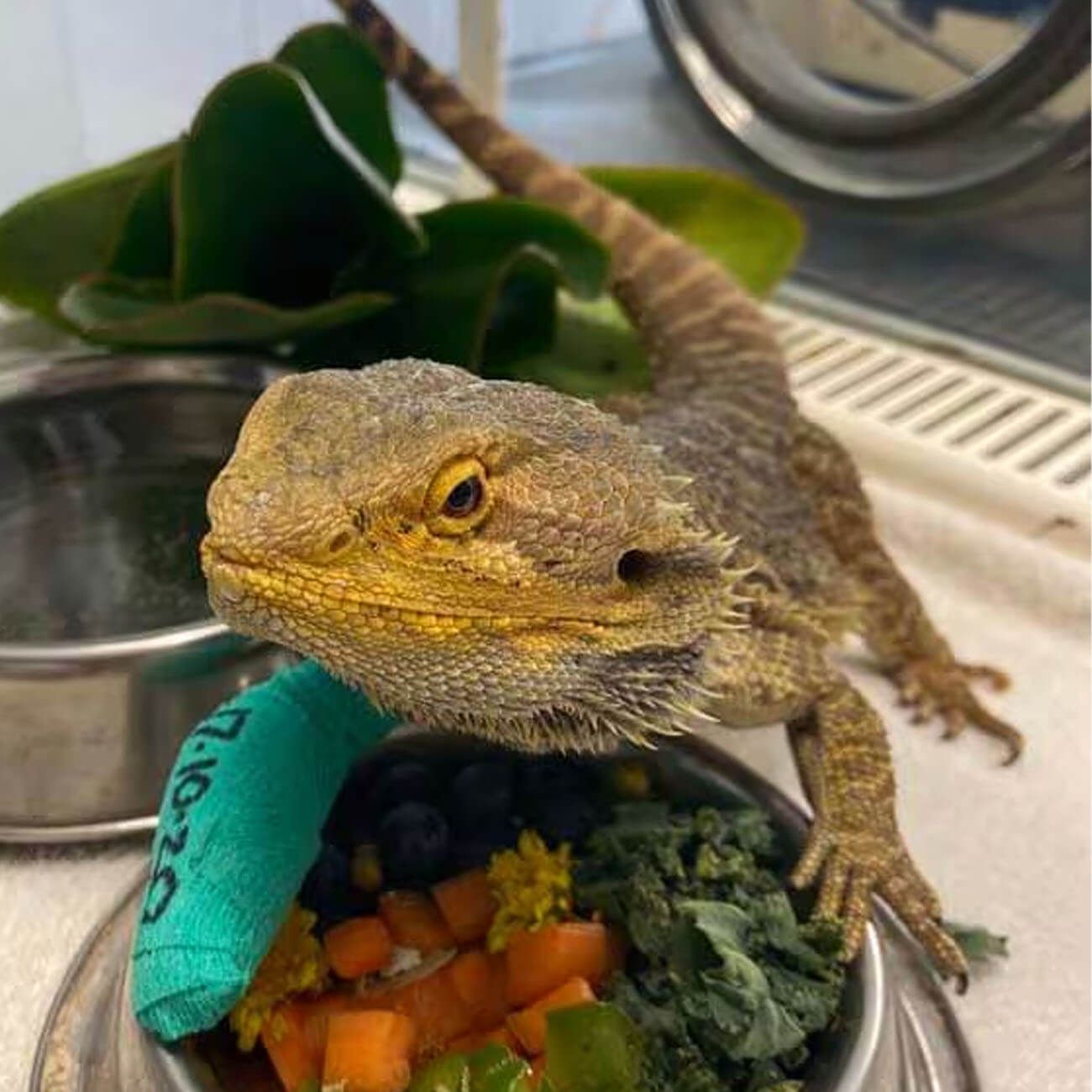
Bearded Dragon, Dutch Thunder Wildlife, Koonoomoo, VIC
Currently Dutch Thunder Wildlife, Koonoomoo, VIC has a number of Bearded Dragons in care. They love their fruit and veggies that come from the Cobram Woolworth Food for Wildlife program. They also receive live crickets and mealworms while in care as well as specialised reptile food.
FUN FACT: Just like us Bearded Dragon’s will wave when they see someone familiar. This wave is to communicate passively or submission when they are in the presence of a larger, more dominant dragon.
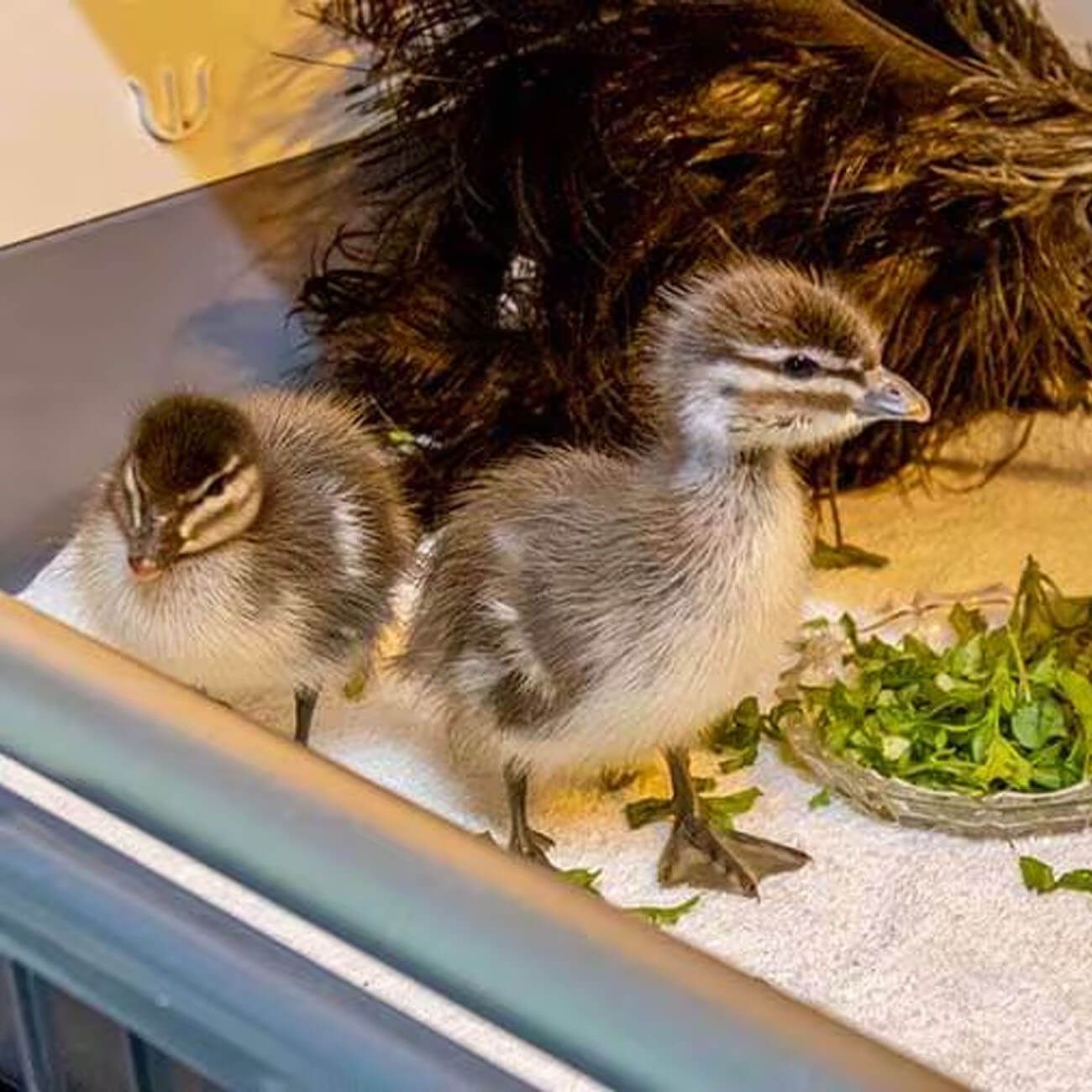
Wood Duck Ducklings, AWARE Wildlife, Frankston VIC
These adorable little wood duck ducklings came into care at AWARE Wildlife, Frankston, VIC after they’d been separated from their family. You could liken them to the children who get lost in the shopping centre, when they get distracted and don't notice mum moves on. Unfortunately, mum duck sometimes doesn’t notice a duckling gets left behind. Once these little ducklings can fly at about ? about 8-10? weeks old they will be ready for release. While in care they are fed a duck mix with a variety such as greens such as, kale, spinach, lettuce, silverbeet and bok choy. Thank you Baxter Woolies for providing the greens!
FUN FACT: Males are called drakes, females are hens, and young are ducklings.
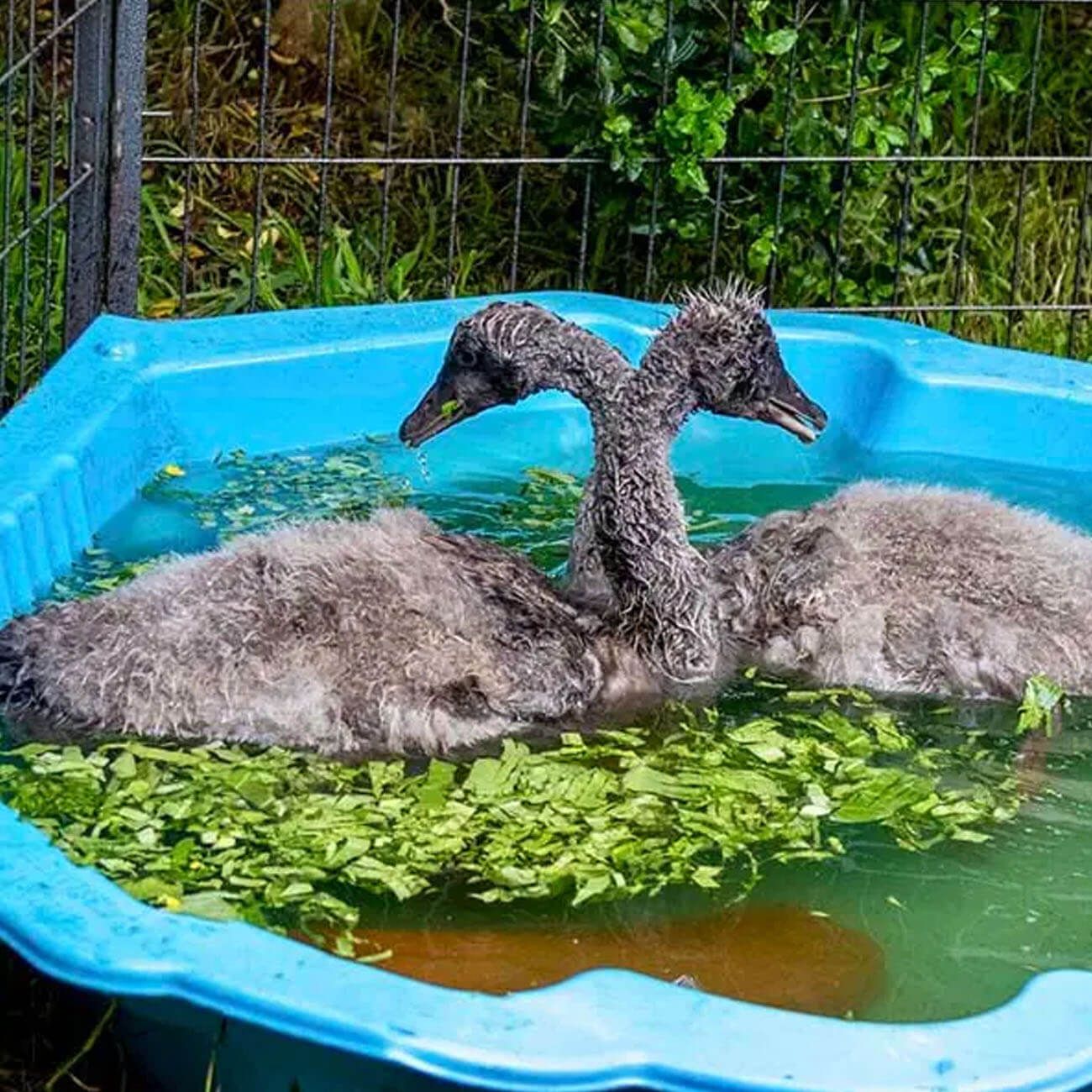
Black Swan Cygnets, AWARE Wildlife, Frankston, VIC
These beautiful cygnets entered care waterlogged and exhausted after they were washed down a creek after heavy rain. They are now in care with Gill at AWARE Wildlife, Frankston, VIC. Unfortunately the parents couldn’t be sighted so the next attempts to reunite them were unsuccessful. A swans natural diet is mostly plant material, shoots, grass and aquatic plants. In care they are fed a duck food mixed with greens. Thank you Woolies Baxter for providing the greens, which included kale, spinach, lettuce, silverbeet and bok choy.
FUN FACT: Black swans can live up to 40yrs!
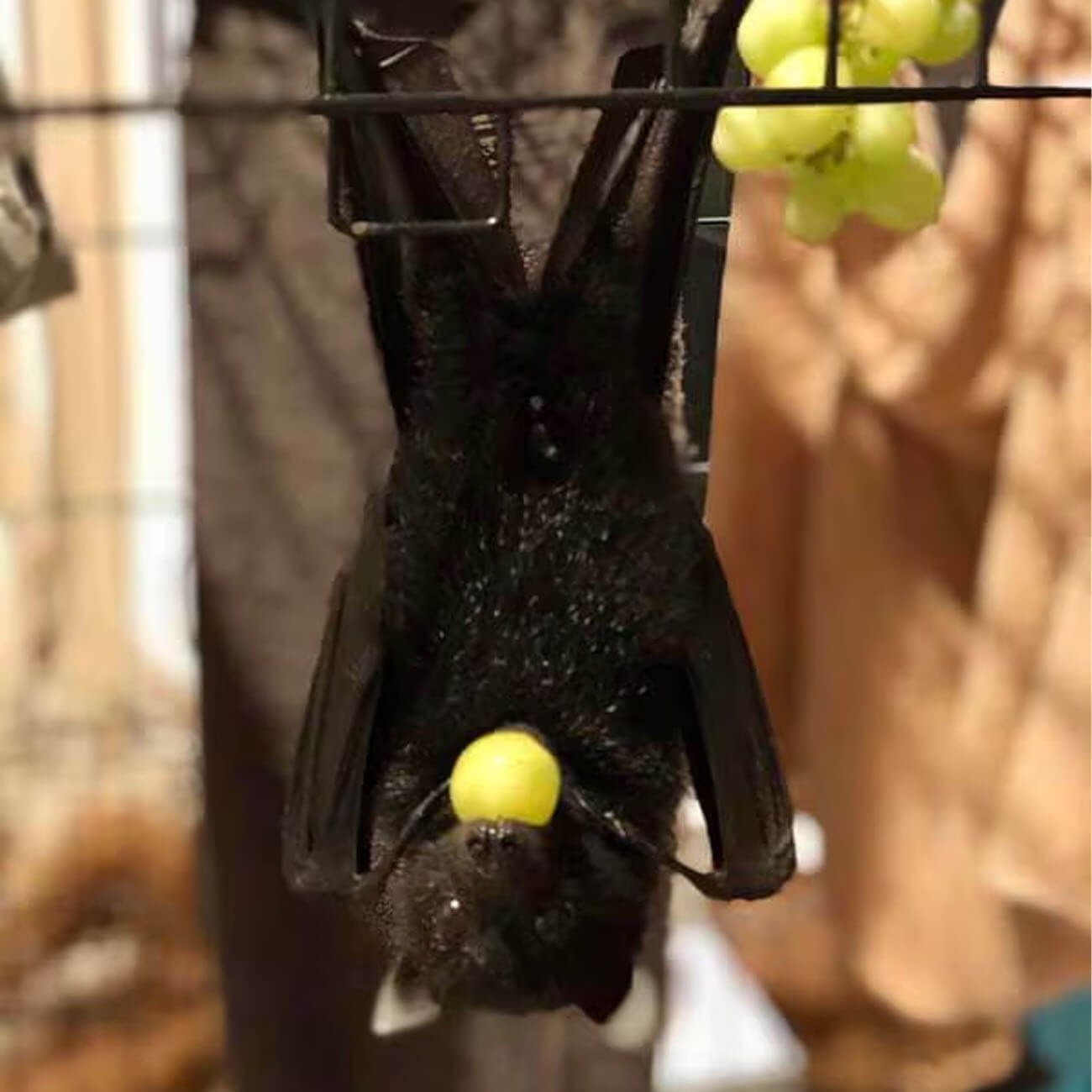
Black Flying Fox, Nikita, Sydney Wildlife, Sydney
This is Nikita, a black flying fox rescued from Centennial Park in Sydney by Sydney Wildlife carer Diane. He was very malnourished and dehydrated, but was nursed back to health, and successfully released back into the Wild. Did you know flying foxes are the largest flying mammal in Australia? Thank you Neutral Bay woolies for donating fruit to this amazing Australian mammal.

Our Community Partners
*By donating your Everyday Rewards dollars to a participating Woolworths charity partner, you agree to our terms applicable to the donations set out in the Everyday Rewards Terms and Conditions (in addition to the other terms in those Terms and Conditions).
Woolworths is authorised to fundraise on behalf of WIRES (ABN 30 768 872 928) from 1st July 2023, - 30th June 2026. 100% of funds donated go to WIRES to help support the rescue, care and feeding of our sick, injured and orphaned, native Australian wildlife.