Dog owners’ guide
Tips for dog owners: How to look after a dog or puppy
Bringing a dog into your home is one of life’s greatest joys. From the first wag of their tail to the quiet companionship they offer every day, dogs quickly become part of the family. But caring for them goes beyond playtime and pats. Whether you’ve welcomed a lively puppy or adopted an older dog, understanding their needs is the key to helping them thrive.
From what to feed them to how to keep them healthy, happy and active, here’s everything you need to know to give your dog the best life possible.
How long can a dog live?
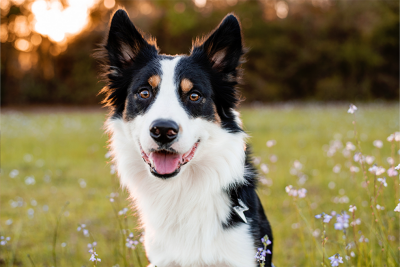
A dog’s lifespan depends on their breed, size and overall health. Most dogs live between 10 and 13 years, though smaller breeds like Chihuahuas or Jack Russell Terriers often live longer, sometimes reaching 15 years or more. Larger breeds tend to have shorter lifespans, typically around 7 to 10 years.
While you can’t change genetics, you can make a real difference with the right care. A nutritious diet, regular vet check-ups, daily exercise and maintaining a healthy weight all play a role in supporting a long, happy life.

What can dogs eat?
A balanced diet is the foundation of your dog’s health. Most owners opt for a high-quality commercial dog food that is complete and balanced, meaning it contains all the vitamins, minerals and nutrients your dog needs for their specific life stage. Puppies require nutrient-dense formulas to support growth, while adult and senior dogs benefit from diets tailored to their energy levels and joint health.
If you’re wondering what dogs can eat in terms of fresh food, many human foods are safe in moderation. Carrots, green beans and broccoli make excellent snacks. When considering what fruit dogs can eat, blueberries, sliced apples (without seeds), and bananas are popular choices. Always introduce new foods over a two week period, slowly swapping out their old food with the new each day and check with your vet if your dog has specific dietary requirements or sensitivities.
Looking for the right food for your dog?
What can’t dogs eat?
It is just as important to know what dogs can't eat as it is to know what they can. Many common household foods are highly toxic to canines and can cause health issues or even be fatal. To keep your pet safe, ensure they never have access to the following:
- Chocolate: Contains theobromine which is toxic to dogs, so be sure to keep all chocolate safely away on a high shelf.
- Grapes and raisins: Can cause sudden kidney failure.
- Onions, garlic, and chives: These can damage red blood cells.
- Xylitol: An artificial sweetener found in sugar-free gum and some peanut butters.
- Macadamia nuts: Can cause weakness, vomiting and tremors.
- Caffeine and alcohol: Highly dangerous to a dog’s nervous system.
- Cooked bones: Can splinter and pose several health risks, including choking, internal bleeding and mouth lacerations.

Training your dog or puppy
Training helps your dog feel secure, confident and well-behaved, while also strengthening your bond. Start with the basics like house training and simple commands such as 'sit', 'stay' and 'come'. Consistency is key; using the same cues and rewarding good behaviour immediately helps your dog understand what is expected of them.
Positive reinforcement is the most effective training method. Using dog treats as a high-value reward can motivate your puppy to learn faster and make the process enjoyable for both of you. Remember to keep training sessions short, about 5 to 10 minutes, to keep your dog engaged and prevent them from becoming overwhelmed.

How to groom a dog
Regular grooming isn’t just about keeping your dog looking their best. It’s essential for their health and comfort. Basic grooming includes regular brushing to manage shedding, bathing when they get a little too outdoorsy and keeping their nails clipped to a comfortable length.
Beyond the coat, healthcare is a vital part of the grooming routine. Dental hygiene is often overlooked; using dental treats or dog-specific toothpaste can prevent plaque buildup. Staying on top of flea, tick and worming protection keeps your dog comfortable and protected from parasites year-round.
Keep your dog happy and active
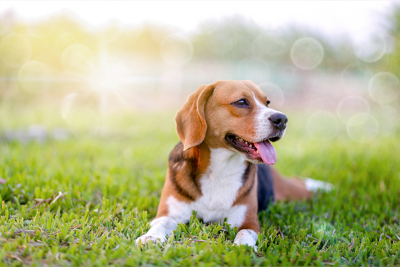
A happy dog is an active dog. Daily walks are essential, not just for exercise but for mental stimulation too. Dogs experience the world through scent, so every walk is an adventure so allow the dog time to stop and sniff things as this is vital mental stimulation that quiets an active mind and releases feel-good hormones.
At home, interactive toys and puzzles help keep their minds sharp. Having a variety of toys to chew, chase and play with can prevent boredom and unwanted behaviour. Watch out for rawhide treats and rope toys, which can be choking hazards.
Get pet insurance
Insuring your dog may help you when it comes to covering some of the costs involved with owning a dog. Whether you have an active puppy or a less energetic pooch, pet insurance may help with unexpected costs associated with care, illness or accidental injury.