
Baby bathtime guide
Baby bath time, whether for newborns and toddlers, is the perfect time to connect and bond with your little one. By establishing a fun and bonding bath time ritual that helps your baby or toddler feel comfortable and relaxed, you can avoid potential tears and tantrums.
Bath time is also a wonderful opportunity to teach your child about cleanliness and self-care.

Bath setup for babies and toddlers
Having an organised bath time setup from the get-go will help the process of bathing your infant become easier. Here are some things to consider.
The essentials
Your essential bath time equipment will change as your baby grows. Items you’ll need over the first years include a newborn bath tub, baby bath supports, clean towels, non-slip bath mats, and washcloths. Gentle baby wash and no-tears shampoo should also be on your list.
The setup
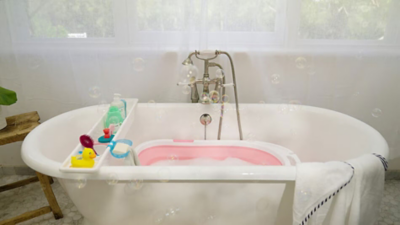
Newborns should be bathed in a newborn-specific bathtub, using a special baby bath seat to help support their head, neck and body. As your baby grows and becomes more mobile, you can transition to a regular bathtub.
How often
It’s recommended that newborns are bathed every second day or so. As they grow, you can increase this frequency as needed. Once your bub reaches the toddler stage, you’ll likely need to bathe them daily or every other day. This is where bath toys and games become very handy.
Your routine
Establishing a fun bonding routine helps make bath time a smooth and enjoyable experience for you both, right throughout the years. This might include special bath time songs as you run the bath and check the water temperature.
When old enough, your child could be in charge of choosing the toys for bath time. To help take the stress out of baby bathtime, prepare all the necessary items (such as towels and clothes) beforehand.

Baby bath time safety tips
Safety is of top priority when it comes to your baby or toddler’s bath time. Here are a few essential guidelines.
Fill the bathtub with a few inches of warm water
and ensure the water is comfortably warm (around 37 degrees Celsius)
Undress your baby or toddler
and gently lay them on a towel on a flat surface
Use a clean, soft washcloth or flannel
to gently wash their face, taking care not to get water in their eyes or ears
Gently clean the rest of their body
with a washcloth or flannel, starting with their chest and working your way down to their feet. You might also wish to sing a little song or nursery rhyme as you do this, to make the experience more fun and relaxing for them. As they grow and find their voice, they can join in – and perhaps add a verse or two!
Lift them out of the tub
and quickly wrap them up snuggly in a towel
Gently pat your baby dry,
being careful not to rub their delicate baby skin too hard
Remember, never leave your baby or toddler alone in the bath and don’t ask a child or sibling to supervise. If you have to leave the room or take a phone call, remove them from the bath and ensure they are in a safe, warm environment.
How to bathe your newborn (0-3 months)
Bathtime for newborns can be an enjoyable bonding time for both the parent and the baby. Follow these step-by-step instructions when washing your baby.
1. Preparation
Before you begin, gather all the necessary items (such as a towel, washcloth, and mild baby soap) and have them within arm’s reach. This will help ensure a smoother bath time experience.
2. Run a warm bath
Fill the bathtub with a few inches of warm water (around 37 degrees Celsius). Place a non-slip mat in the tub to help prevent slips and falls.
3. Wash and massage
Gently introduce your newborn to the water, always keep on hand on your baby at all times. Be sure to support their head, neck, and back. Use a damp washcloth or cotton ball to clean their eyes, starting from the inner corner and moving outward.
4. Enjoy the water
Allow your newborn to enjoy the warm water for a few moments. You can pour a cupful of water over their body to help keep them warm.
5. Lift and wrap
When it's time to get out of the bath, carefully lift your newborn out of the tub and quickly wrap them in a soft, dry towel. Be sure to dry them thoroughly, including in all the folds and creases, to protect their delicate skin from rashes.
6. Moisturise
After bath time, apply a mild, pH-neutral baby moisturiser to your newborn's skin to help keep it hydrated and healthy before putting on a clean nappy and clean clothes.
7. Dress in clothes
Warm pyjamas or a sleep sack will help them to stay cosy and comfortable during the night.
How to bathe your toddler
As your little one grows and becomes more independent, bath time may look a little different for you and your infant. Here are our top tips on bathing your toddler, from safety considerations to frequency, washing and play time.
Water levels
As your child gets older, increase the depth of the water in the bathtub. Always keep an eye on your toddler and never leave them unattended.
Frequency of baths
Toddlers need to be bathed daily or every other day, depending on their level of activity and how dirty they are.
Safety considerations
Non-slip bathing mats and bathroom floor mats will help ensure your toddler's safety during bath time. Avoid sharp-edged toys in the bath. Instead, use toys that stick to the walls or toys that have holes, such as water wheels, buckets, and floaties.
Shampoo and wash
Use products that are gentle on your toddler's skin and won't irritate their eyes. Look for tearless shampoo and skin wash to help prevent tears and discomfort during bath time.
Toddler play
While it's important to be attentive to your child's safety, encourage their independence by allowing them to play and explore in the bath. However, be sure to keep the water warm and never leave them unattended.

This article is for informational purposes only and does not provide medical advice, diagnosis, or treatment. Any information published on this page is not intended as a substitute for medical advice. If you have any concerns or questions about the health of your baby, you should consult with a health professional.
Note: Products may be limited and delivery times may vary. Please check delivery cut-off times at the point of checkout