Your guide to different types of bread
The best thing since sliced bread is, well… bread. From buns and rolls to flatbreads and sweetened varieties, bread is an essential part of almost every cuisine around the world. Get the lowdown on loaves, plus delicious sweet and savoury recipe ideas in this handy guide.
Get to know your bread types
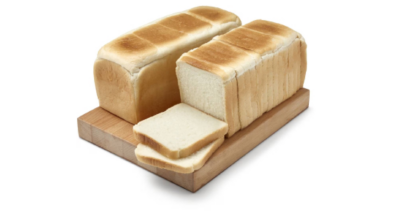
White bread
This is made from processed wheat that’s had its germ and bran removed. It’s fluffy, light and slightly sweet.
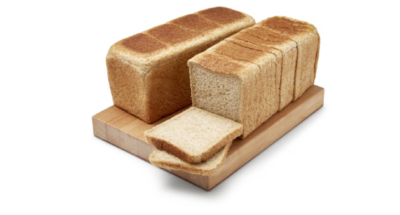
Wholemeal bread
Also known as whole-wheat or brown, wholemeal bread is baked from flour milled from wholegrains.
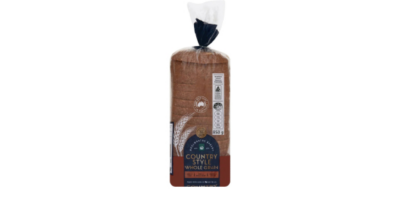
Wholegrain bread
Containing the entire grain, including the bran, germ and endosperm, whole grain options retain more nutrients than refined grain breads, such as white bread.
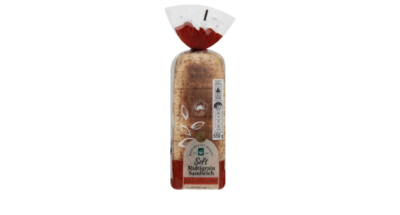
Multigrain bread
This is usually made from white or whole-wheat flour and has seeds or grains, such as soy and linseed, added to it providing texture and flavour.
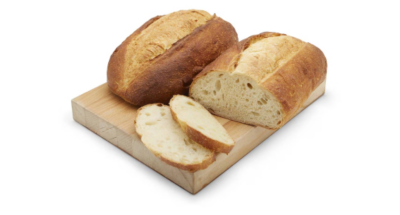
Sourdough
Sourdough relies on natural fermentation to leaven and rise, a process made possible from what is known as a sourdough starter. Sourdough bread is known for having a crisp crust, chewy crumb and slightly sour flavour.
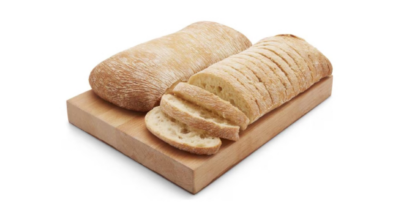
Ciabatta
Ciabatta is an Italian-style white flour bread that has a chewy crust and soft interior.
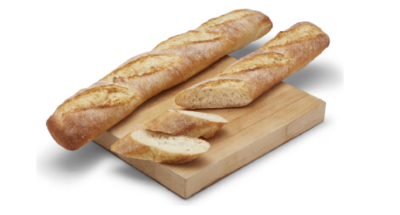
Baguette
The baguette is a French-style white flour bread with a crunchy exterior. It’s known for being long and thin.
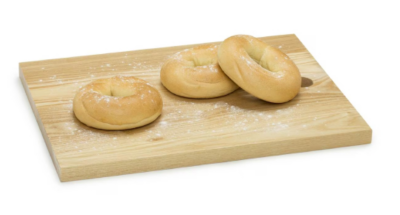
Bagels
These yeasted rings of dough originate from Eastern Europe. Traditional bagels are boiled in water before being baked and have a dense, chewy texture.
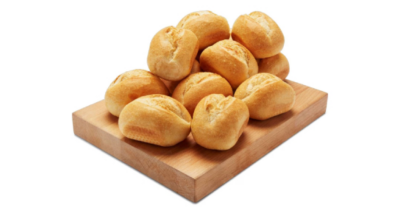
Buns and rolls
These include small breads such as dinner rolls and burger buns and can be made from different flour types. French-style brioche is a great option for burgers or hot dogs and typically has a high egg and butter content that makes it rich, light, sweet and pastry-like.
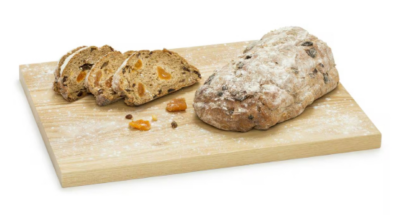
Fruit and raisin bread
These loaves can be made with or without yeast and with combinations of spices and dried fruits.
?fmt=png-alpha)
Flatbreads
From naan and tortilla to pita and focaccia, flatbreads are made from unleavened dough that’s thinly rolled before being baked, grilled or cooked. The type of flour used to make flatbread varies.
Make your own bread
Make bread without yeast. This easy recipe uses baking soda as a leavening agent.
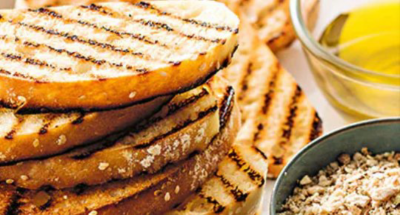
Cooking with bread
- Always check the expiry date of yeast — fresh or dried — before making bread. Active yeast will bubble and foam when tested.
- Place leftover white bread underneath a roast before cooking. The bread will act as a sponge and soak up any excess fat.
- Tear up stale slices of sourdough, coat in butter or oil and bake to make croutons. Tearing makes for rougher edges, which turn extra crunchy in the oven.
- Slightly stale bread makes great breadcrumbs. Use to crumb foods such as chicken breast, fish fillets or vegetables slices. See our top tips to the perfect crumb here.
?fmt=png-alpha)
Storing bread
Bread boxes are great for regulating temperature and light. Some styles of bread, such as sourdough, also benefit from being wrapped in cotton bread bags or tea towels.
Bread kept in the fridge will dry out quicker because the lower temperature removes moisture.
To freeze, slice your bread and wrap tightly in the bag it came in or in foil. Slices can be gently toasted straight from frozen.
Keep breadcrumbs in airtight containers in the freezer for up to 12 months.
Bread recipes
Discover recipes such as a tasty bread crumb, delicious French toast or a decadent bread and butter pudding. With so many delicious options, which of these bread recipes will you try first?