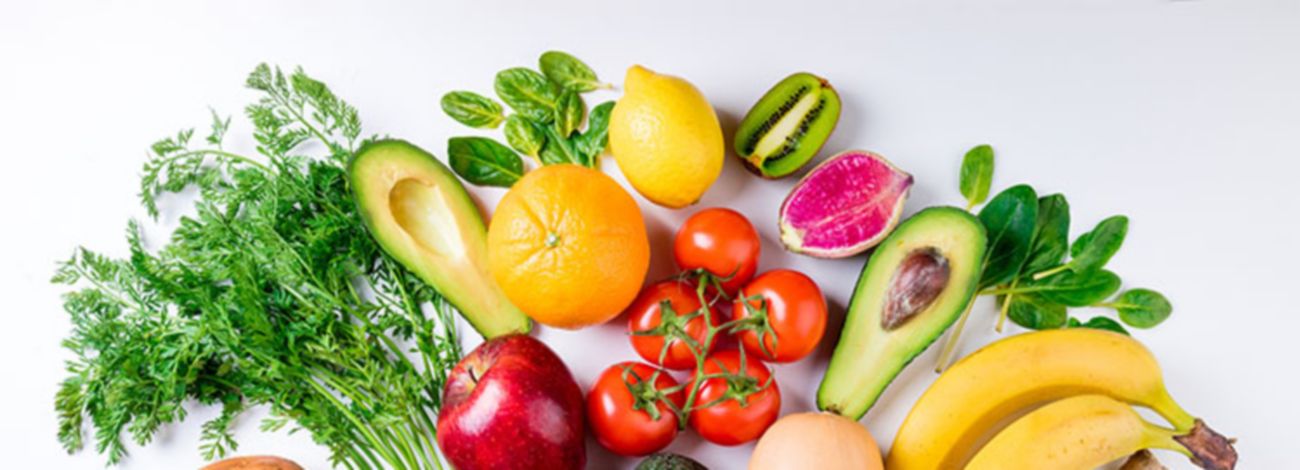
Guide to fresh herbs & spices
How to store fresh herbs
Fresh herbs are vital for adding that extra dash of flavour to your favourite recipes, but all too often you find them lying wilted and brown at the bottom of your fridge. Follow our tips for storing and freezing to get the most out of these leafy wonders, saving you money and reducing food waste in the process.
How to store herbs in fridge
- Herbs with roots, such as parsley and coriander, can be stored upright in the fridge, standing in a small glass of water (with plastic bags over the top).
- Other herbs, such as mint, oregano, chives, thyme and dill should be wrapped in damp paper towel and stored in a container in the fridge.
- Store basil wrapped in dry paper towel in a container in the fridge (excess moisture will turn the leaves black).
How to store fresh herbs in freezer
- All herbs freeze well — just chop and freeze for up to a month.
- Another great idea is to place the chopped herbs into an ice cube tray and top up each mould with water or olive oil. You’ll have handy herb ice cubes ready to pop into your stews, soups and pastas.
How to grow chillies from seeds
Herbs and spices every house should have


Chilli flakes
Simplicity is key with chilli flakes, and they’re just so versatile. Squeeze lemon juice over freshly steamed broccoli or Brussels sprouts, then sprinkle with chilli flakes for a hit of spice. This tasty Lemon Chilli Australian Prawn & Radicchio Pizza recipe is very easy to make and great for entertaining.


Curry Powder
Originating in South Africa, this spice mix is a combination of coriander, fennel, ginger, cassia, cayenne pepper, black pepper, mustard and cloves. For the best taste, fry the spice blend in a little butter or oil, until it becomes fragrant. Whip up a batch of our Curried Pumpkin Pies for something different and delicious.
Oregano
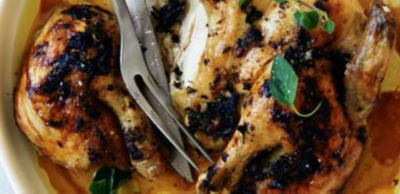
When paired with chicken and lemon, oregano meets its match and is great for amping up a fresh salad. This herb is mild enough to add to a kid-friendly meal to give it a boost. Case in point is our Lemon & Oregano Marinated Split Chicken recipe, which is sure to be added to your list of family-pleasing meal ideas.


Pepper
It’s easy to forget pepper is actually a spice, as we tend to use it more frequently than any other. However, this humble aromatic elevates a dish and works across a variety of different meals to earn its rightful space on the kitchen table. This delicious Sweet Pepper Steak & Grilled Veggie Salad recipe combines the flavour of cracked pepper with sweet pepper, too.
Saffron
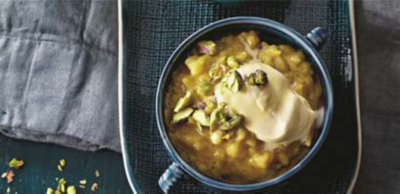
Saffron is one of the world’s most expensive herbs. The threads are collected and traditionally dried by hand then used to season food. Saffron brings a range of recipes to life and often balances the boldness of other spices like star anise, cardamom and nutmeg. Our Chai & Saffron Rice Pudding is a brilliant dessert for lovers of spice.


Turmeric
This ingredient is the spice of the moment due to the popularity of golden-toned turmeric lattes popping up in trendy cafes across Australia. If you’re looking for an easy way to use turmeric in your weekly menu, why not try our Fish Curry With Ginger & Turmeric? Ready in 30 minutes, this bold-flavoured curry is mellowed with Greek yoghurt.
Ways with thyme
Flavour combinations using herbs and aromats
Some flavours go hand-in-hand. The fusion of caraway seeds and paprika or saffron and garlic make for quick and easy meals that bring loads of flavour. Try one of these weeknight dinner recipes that take full advantage of tasty aromatic combinations.