

A fresh guide to Australian pumpkin
A pumpkin is a hard-skinned vegetable ranging from blue-grey to orange-red on the outside, with bright orange flesh on the inside. Pumpkins have flat seeds and a mild, creamy taste with a distinctive nuttiness. Pumpkins are part of the Cucurbitaceae family along with zucchini, cucumber and melons, which produce edible fruit.
To see when this variety is in peak season and Australian sourced, view our seasonal fruit and veg calendar.
How to pick
Look for whole pumpkins with firm, unbroken skin, or cut pumpkins that have a vibrant, fresh colour.
How to store
Whole pumpkins can be stored for up to three months in a well-ventilated space. For cut pumpkins, remove the seeds and store in a sealed container in the fridge for up to three days.
How to use
Butternut pumpkins are great in a curry, soup or dip. Kent pumpkins suit baking in a scone, pie or cake, or choose any variety for a roast. When roasted, the natural sugars caramelise, bringing out the flavour.
Know your pumpkin varieties
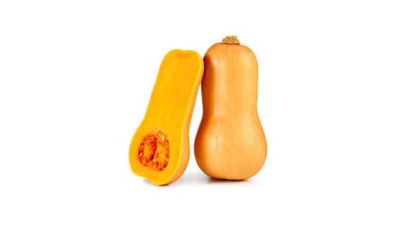
Butternut pumpkin
In season: All year
Shaped like a large pear with hard golden-brown skin, Butternut Squash has orange flesh with a cluster of seeds found at the bottom. It has a sweet, nutty taste.
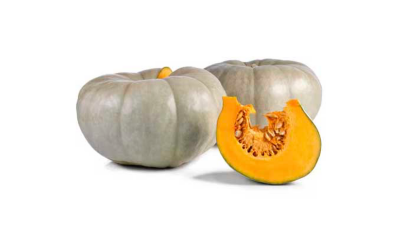
Jarrahdale pumpkin
In season: All year
An unusual blue-gray skin and a heavy ribbed drum shape, that's contrasted beautifully by the golden flesh. Native to Australia.
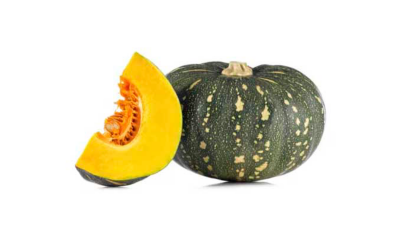
Kent
In season: All year
Small to medium in size, Kent pumpkins have hard, knobbly-looking green skin with gold flecks. This variety has yellow-orange flesh with a very mild, sweet flavour.

Fun facts
- The word "pumpkin" derives from the Greek word for melon, which means "cooked by the sun" or "ripe".
- Technically, pumpkins are a fruit, however when it comes to cooking; they are referred to as a vegetable.
- Pumpkins are a good source of vitamin A. They also contain vitamin C, which helps support healthy immune function.*
*When eaten as part of a healthy, balanced diet.
Food saver tips
- Slice your pumpkin into smaller pieces and freeze in an airtight container for up to six months. Use in a soup, risotto or bake.
- Don't throw away the seeds. Roast and toss them into soups and salads to add flavour and texture.
- Use the entire pumpkin by stuffing and baking whole in this impressive dish.