How to hit your daily protein needs
Fuelled by fitness and longevity trends, protein is having a moment. However, many of us – women in particular – are still not consuming enough. “Throughout all female life stages, from adolescence and midlife through to menopause and beyond, iron is key,” says Becky May, Woolworths Senior Health Manager and Accredited Practising Dietitian (APD). “If we’re under-consuming protein, we often face issues with iron levels and how we absorb it.
How much daily protein is enough?
While official guidelines suggest around 0.75-0.85g of protein per kilogram of body weight is sufficient for most adults, newer research is moving from ‘minimum to survive’ toward ‘optimal to thrive’.
“Originally, protein requirements were based solely on avoiding a protein deficiency. Now, science shows there is a significant benefit to consuming above that – about 1.2-1.5g of protein per kilogram,” says Becky May. Studies link this higher intake to better muscle maintenance, improved strength, and the preservation of lean mass, especially during ageing, exercise, or weight loss.
A day of protein-rich foods
“You’ve got protein for muscle repair, but fibre is important for your gut, too,” says Becky May.
Breakfast
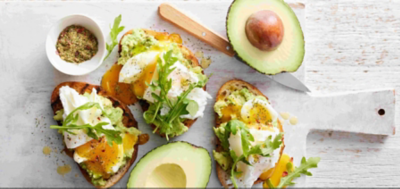
Whole-grain toast topped with poached eggs, avocado and a sprinkle of hemp seeds.
Morning Snack
Greek yoghurt topped with chia seeds and raspberries.
Lunch
A bowl of grilled chicken, quinoa, sliced cucumber, olives and fetta with a lemon and tahini dressing.
Afternoon Snack
Slices of apple with almond butter.
Dinner
Lean beef strips stir-fried with broccoli, snap peas and capsicum, served over brown or cauliflower rice.
The energy upside of protein
While overall nutrient consistency is vital for keeping energy levels steady, iron plays a leading role in fatigue prevention. “Energy comes from many sources,” says Teigan O’Shannassy, NSW Swifts netball player and Associate Nutritionist (ANutr). “I look at three things: Are you eating enough during the day? Are you including iron-rich foods, such as red meat, legumes and leafy greens? And are you pairing iron with vitamin C for better absorption?”
Easy vitamin C and protein pairings include a squeeze of lemon juice on red meat, adding capsicum and tomato to a salad, or tossing broccoli into a tofu stir-fry. “Vitamin C increases the amount of iron your body absorbs from protein sources,” explains Becky May.

Balancing types of proteins
Beyond fatigue, there are early signs of iron deficiency that are overlooked. “Other signals can include cold hands and feet, brittle nails, and paler skin,” says Becky May. The type of protein you consume is also just as important. While red meat is a well-known source, variety is key to a balanced diet.
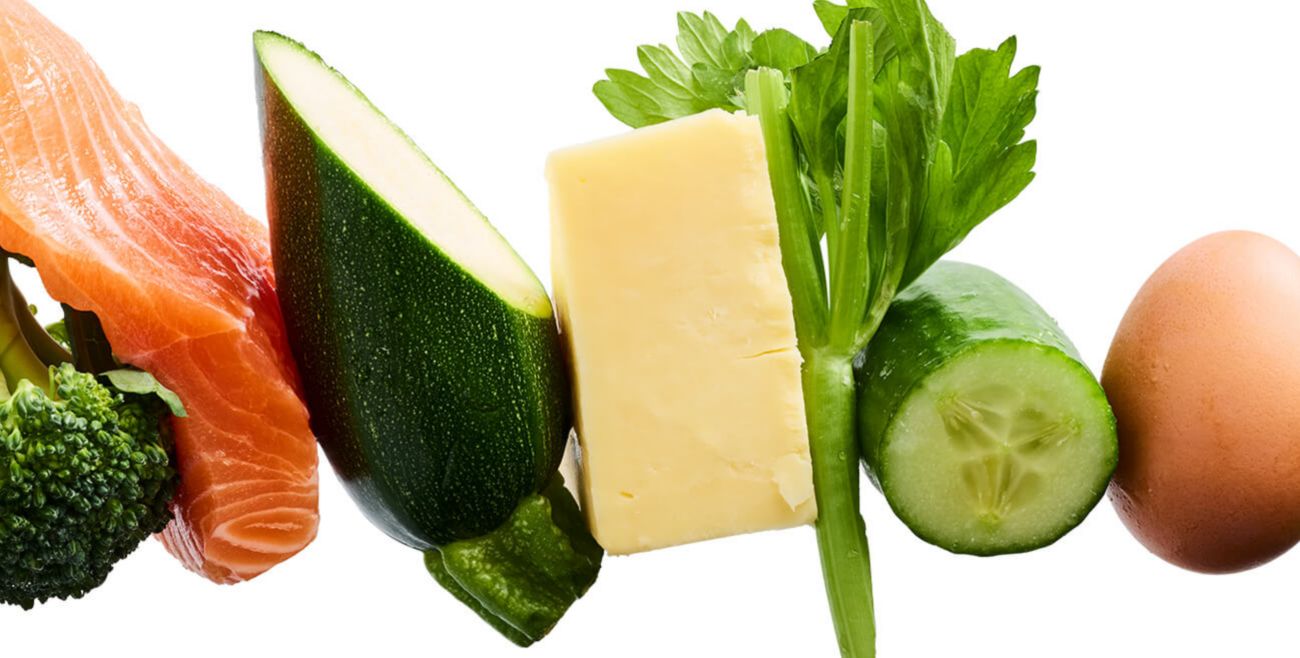
Mixing up your protein sources does more than build muscle; it delivers iron, a mineral essential for energy and immunity. “Mix it up with turkey, pork, chicken, kangaroo, fish, eggs, tofu, chickpeas and lentils,” says Simone Austin, Healthylife Chief Health Officer and Accredited Practising Dietitian (APD).
Meet our experts

Becky May
Woolworths Senior Health Manager and Accredied Practising Dietitian (APD).

Teigan O’Shannassy
NSW Swifts defender, Associate Nutritionist (ANutr) and Woolworths ambassador.