Fibremaxxing: A guide to high fibre foods to help your gut thrive
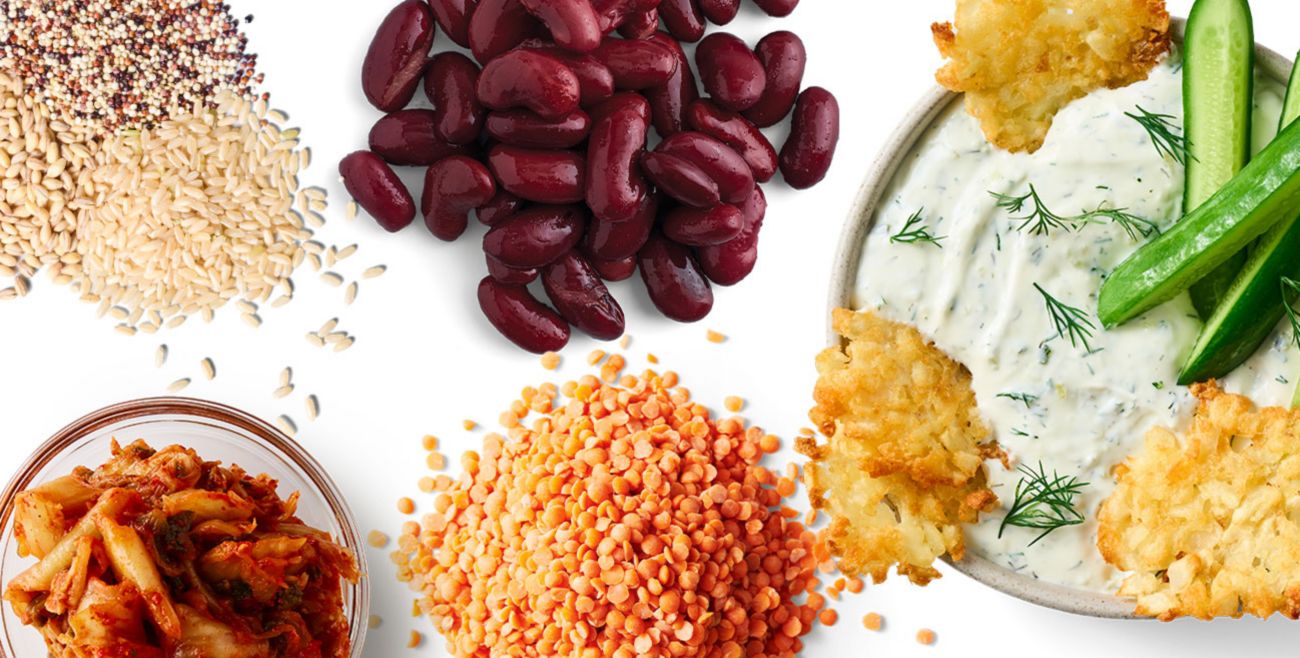
The gut is often called the “second brain” because it contains millions of neurons that communicate directly with the brain. Your gut does more than digest food – it plays an important role in your immune system, energy levels, and overall wellbeing. For good gut health, it needs a diverse range of fibre-rich plant foods to thrive.
How much fibre daily?
While the ‘fibremaxxing’ trend, which encourages people to maximise their daily fibre consumption, gains traction on social media, the average intake is still significantly lower. “Australians aren’t hitting the recommended targets for fibre,” says Becky May, Woolworths Senior Health Manager and Accredited Practising Dietitian (APD).
Becky notes that many adults fall short of their fibre goals by 5-10g daily, a gap closely linked to poorer gut and metabolic health. According to the Nutrient Reference Values for Australia and New Zealand, the recommended daily target for women is 25g and 30g for men.
What 30g of fibre looks like
To achieve your daily fibre targets, aim for roughly seven serves from the list below.

1 cup cooked sweet potato

½ cup oats with sprinkle of LSA

½ cup cooked shelled edamame beans

1 cup cooked broccoli

½ cup cooked lentils

1 cup raspberries

1 skin-on potato

½ cup to ⅔ cup cooked chickpeas

1 tbs chia seeds

1 pear

½ cup baked beans

1 apple

2 Woolworths wheat biscuits with 1tbs sunflower seeds

1 cup cooked wholemeal pasta

1 banana and handful of walnuts
The importance of variety in fibre foods
“One of the biggest opportunities to improve our health is simply adding variety. Try making small swaps, such as choosing brown rice over white, picking wholemeal over high-fibre white bread, and adding legumes to your favourite meals,” says Simone Austin, Healthylife Chief Health Officer and Accredited Practising Dietitian (APD). “If you aim for 30 different plant foods a week, you are much more likely to hit your fibre targets and get the diverse nutrients you need.”
Simone explains that our gut microbiome – made up of various bacteria – thrives on this diversity. “When we don’t feed the gut good bacteria, we see an increase in the not-so-good varieties, much like weeds taking over a garden. While we don’t yet know exactly what a perfect gut looks like – it’s likely unique to you, like a fingerprint – we do know that diversity is essential, as some bacteria are more beneficial for our health than others.”
Quick gut health fix
The good news is that when you increase your fibre intake, you can begin to see results quickly. “You might notice your bowel movements become more regular, but the benefits go deeper. We can also start changing our gut bacteria and improving that colony within days – it’s not years you have to wait,” says Simone.
Beyond fibre, incorporating fermented options like sauerkraut, kimchi, and fermented drinkable yoghurts is beneficial for a well-supported gut microbiome. According to a study by Stanford University, these fermented foods can have a positive flow-on effect, improving everything from digestion and immunity to mood, weight maintenance, and overall wellbeing.
Increase your fibre intake slowly
Before you jump into the ‘fibremaxxing’ trend, the experts advise taking small steps. “The key is to go slow and grow, looking for simple opportunities to gradually add fibre,” says Becky. She advises that a gradual increase of between 5-7g of fibre per day is the best way to minimise the risk of bloating and discomfort. “If you do start feeling digestive discomfort or bloating, simply pull your fibre intake back slightly or increase the amount of water you’re drinking,” Becky adds.
“Incorporating more fibre is easier than you think. It can be as simple as adding two kiwifruits or a tablespoon of chia seeds to your breakfast, or spreading half an avocado on your toast,” says Becky.
Power of legumes
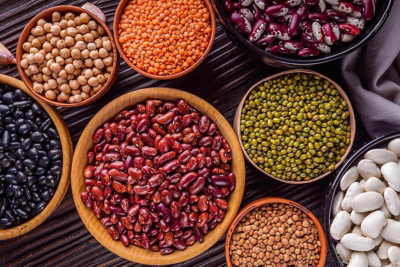
Don’t forget the humble legume. Data from the Australian Institute of Health and Welfare reveals that a diet low in legumes is the primary dietary risk factor for chronic disease.
“Adding a handful of lentils to a vegetable soup or some kidney beans to your bolognese can increase your fibre intake and feed your gut microbiome at the same time. Plus, grains and legumes on average cost only around $0.31 per serve according to the Healthylife Living Health Report 2026,” says Simone.
High-fibre snacks ideas
Recommended by Simone Austin for a quick fibre fix.
Popcorn
“Add a sprinkle of paprika, ground black pepper or even cinnamon.”
Nuts
“Buy peanuts in the shell. Crack them open while watching a movie instead of reaching for a bag of chips.”
Edamame beans
“We often enjoy these as a restaurant starter, so why not try them at home?”
Fruit
“Leave the peel on where you can. Fresh, frozen, dried or canned – all fruit is important.”
Hummus
“Pair with wholegrain crackers or a rainbow of veggie sticks.”
Meet our experts

Becky May
Woolworths Senior Health Manager and Accredied Practising Dietitian (APD).

Teigan O’Shannassy
NSW Swifts defender, Associate Nutritionist (ANutr) and Woolworths ambassador.