

From master baker to beginner, discover our top baking tips and tricks
Want to sift, whisk and pipe your way to becoming a great home baker? Brush up on the baking basics with this guide of must-have pantry items, essential equipment and top techniques.
Common basic ingredients

Flour
All-purpose flour (or plain flour) is a must-have pantry staple. You can add baking powder to plain flour to make your own self-raising flour. Other common flours include wholemeal, almond and spelt, as well as specialty flours such as ‘00’ (great for making pasta!) If you need to substitute flours, opt for one that has a similar protein or gluten content.

Sugar
Sugar adds moisture, texture, tenderness, colour and flavour to baked goods, as well as acting as a stabiliser in recipes such as meringue. If sugar is important to the structure of a recipe (like in a meringue), swapping it isn’t as easy as swapping it in, say, a cookie recipe. Be prepared to experiment a bit with swaps in your baking. Common substitutes include honey, maple syrup, brown rice syrup and artificial sweeteners.

Eggs
Eggs help with structure, stability and moisture and act as a binding agent. They also help to thicken and emulsify baking mixtures. Vegan egg replacements include flax or chia seeds (mixed with water and left to thicken), as well as silken tofu, mashed banana or non-dairy yoghurt. In a meringue, egg whites can be swapped out for aquafaba, which is the liquid from a can of chickpeas. We promise it works, see our pavlova recipe here.
Tip: If a recipe asks to separate the egg white and yolk, leftover egg whites can be used in an omelette and yolks are great for custards.

Milk
Milk is a common baking ingredient and is one of the easiest items to substitute. Cow’s milk can be replaced with most alternative milks, with the only noticeable difference being flavour. Milk is used to moisten or thin a batter, and its protein can help with structure. Water can also be used in place of milk in some recipes. Find out more about the types of milk and tips for cooking with it.

Butter
Butter adds an incredible richness that is hard to replicate with other ingredients. It’s the essential fat in baking recipes that helps create tenderness in texture, flaky pastries and soft, crumbly cakes. Vegan butter works fine as a substitute, and some recipes can also be made using yoghurt, apple sauce or mashed bananas instead of butter.
Best baking tools
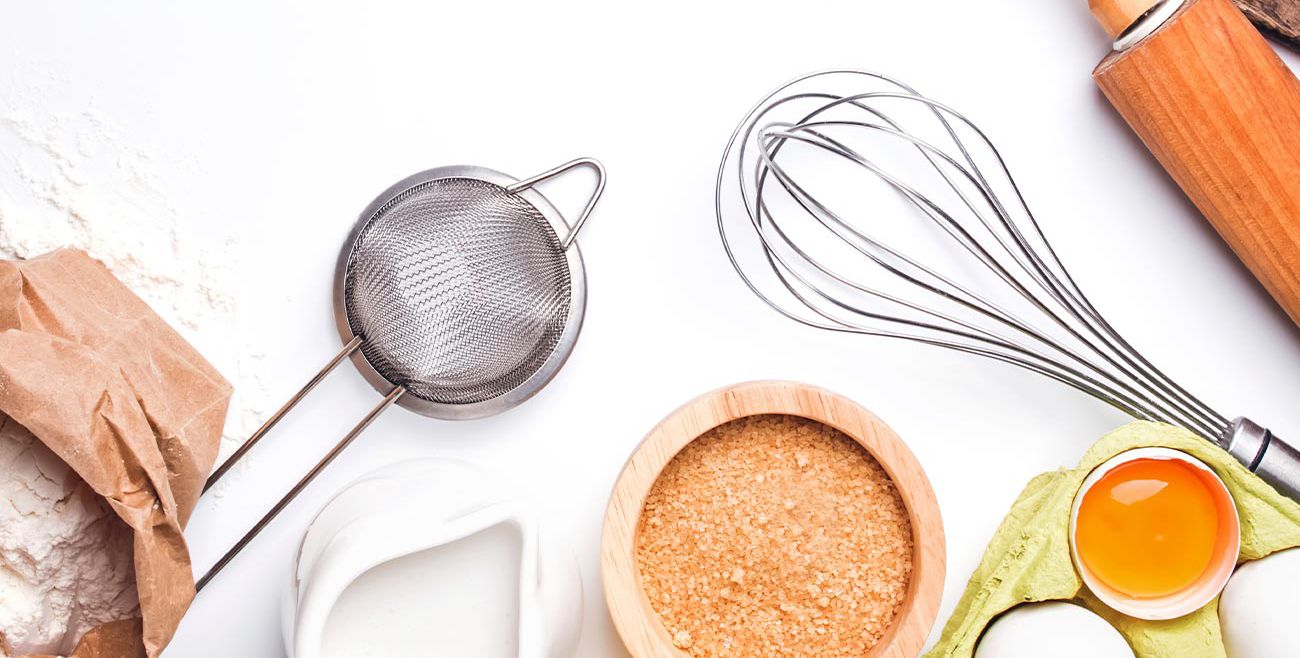
Cake tins: Round, springform, sheet pan, muffin and loose-bottomed fluted. All of these can be used for sweet or savoury baking.
Electric beaters: Handheld or attached to a bowl will make your life a lot easier. Hand whisking is possible in most recipes — it just takes a lot longer!
Wooden spoon, whisk and spatula: Don’t underestimate the value of scraping the sides of your bowl with a spatula to ensure you incorporate all the ingredients into the mixture.
Sieve: Sieves are great for ensuring even consistency in flours and sugars and breaking up lumps.
Measuring cups and jug: Ensuring ingredient quantities are measured accurately is vital. It could be the difference between a show-stopping dessert or having to start all over again.
Best baking methods
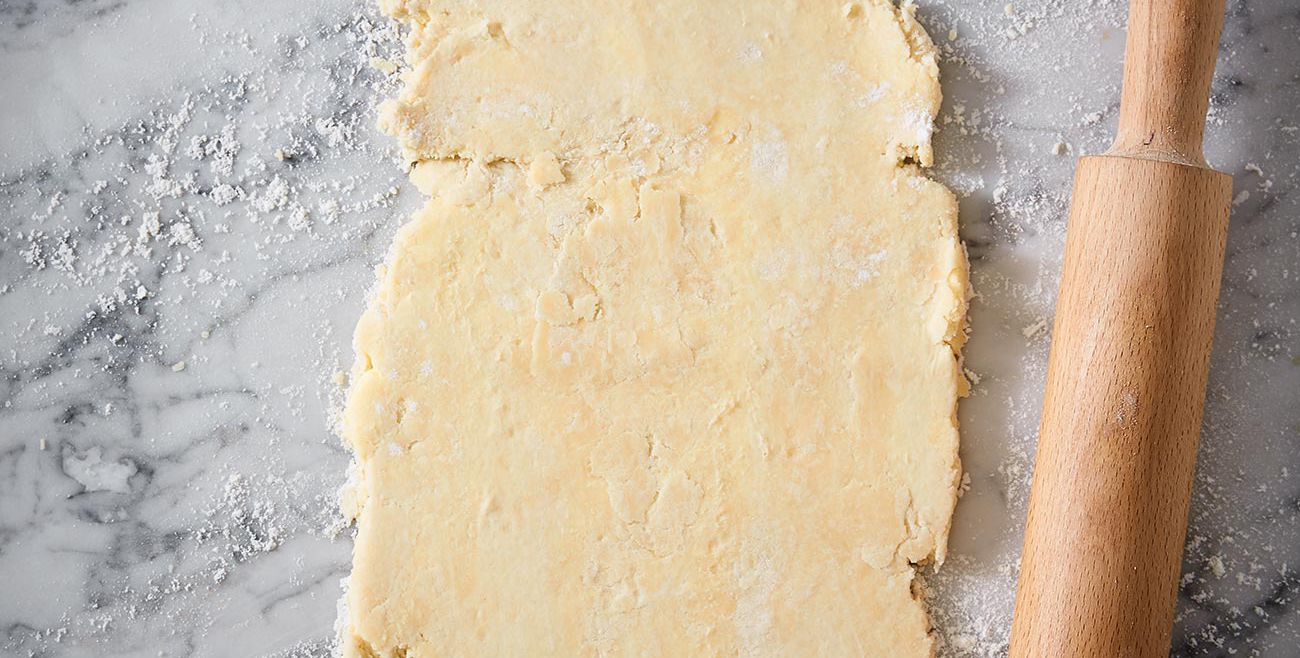
Creaming: Creaming is a leavening technique that results in a lighter, fluffier texture. This technique combines a softened fat (usually butter) with other ingredients such as sugar. Sugar is creamed with butter so the granules cut through the fat and incorporate air. You may come across this technique in cookie, cake and bread recipes.
Folding: Folding is a term used to describe gently combining ingredients together. Folding, rather than beating, protects the air that’s been incorporated into a mixture, such as in whipped egg whites. It’s often done with a metal spoon or spatula.
Blind baking: Blind baking involves placing either pie weights, rice or dried beans into a pie or tart shell, then baking it to ensure the pastry is cooked through. This technique is used when using unbaked fillings such as cream or mousse or when the pastry needs to be cooked longer than the filling.
Kneading: Kneading pastry or bread dough develops the gluten and also helps create structure. Kneading can be done by hand or in a stand-mixer with a dough hook. After the dough has been kneaded, it can be left to rest or rise.
Rubbing in: Rubbing fat into flour incorporates the two ingredients until the mixture takes on a sandy or breadcrumb-like appearance. Rubbing in is a technique often used when making shortcrust pastry, crumbles, shortbreads and scones.