

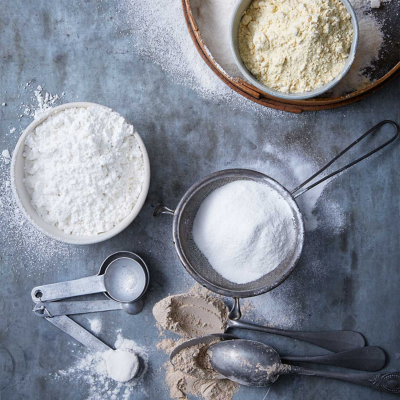
Flour is one of the most versatile ingredients to have in your pantry and can be used in everything from breads and muffins to savoury sauces and stews. Discover which type of flour to reach for next — and which makes the best substitute — with our handy tips and tricks below.
Types of Flour

Plain flour
White, plain or all-purpose flour has been milled, with most of the bran and wheat germ removed. Cake, bread and 00 flours are varieties of plain flour with different protein and gluten levels.

self-raising flour
Self-raising flour has had baking powder (a leavening agent) added to it. Self-raising flour is good for recipes that require height and fluffiness.
Spelt flour
Its nutrition profile is similar to regular wheat flour, so it can often be used as a direct substitute. Spelt flour is high in gluten and has a slight nutty flavour.

Corn flour
Corn flour is ground maize that is frequently used to thicken sauces, soups and stews. Corn flour can be called cornstarch in some recipes.

Coconut flour
This type of flour is milled from dried coconut flesh. It is exceptionally absorbent and can create denser or dry textures in low-liquid recipes.

Cauliflower flour
As its name suggests, cauliflower flour is made from a mix of dried cauliflower powder, rice flour and other starches. Its mild flavour makes it a good cup-for-cup alternative to plain flour.

Almond flour
Not to be confused with almond meal, almond flour is made from blanched almonds that have had the skin removed. It has a slightly sweet taste, and baked recipes using almond flour may have a denser texture.

Oat flour
Old-fashioned or rolled oats are finely blended to make oat flour. You can make your own at home using a food processor.

Rice flour
Made from finely ground raw rice, rice flour is commonly used as a thickening agent or a gluten-free option in some baking recipes. Some traditional shortbreads also use rice flour for its high starch content.

Buckwheat flour
Another popular alternative to wheat flour, buckwheat flour is milled from buckwheat grains.
Rye flour
This type of flour is popular for making bread, especially sourdough. It has an earthy flavour and results in a denser texture. You can choose from dark or light rye flour.
Cooking with flour
Make your own self-raising flour by adding two teaspoons of baking powder for every cup of plain flour. Sift several times before use for even distribution.
Instead of baking paper, use flour to prevent cakes or baked goods from sticking to the tin. Generously butter the tin, then evenly dust with flour.
Season flour with salt, herbs or spices when using as a dredge before crumbing or breading to create extra flavour.
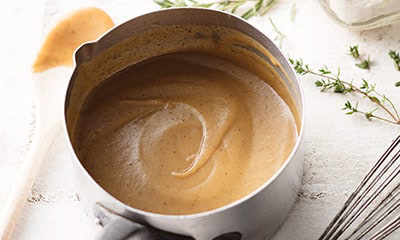
When thickening a gravy, mix flour into a small amount of cold water before adding to your stock and pan juices. This will help prevent lumps.
Storing flour
Keep flours in airtight containers in the pantry, in a dry place away from direct sunlight.
White and whole-wheat flours can all be stored in the freezer to prolong their shelf life. This also reduces the risk of attracting weevils.
Flour recipes
Flour is a staple ingredient that’s great in savoury and sweet cooking.