Cat owners’ guide
Tips for cat owners: How to look after a kitten or cat
Thinking of welcoming a new feline friend into your home? Whether you're a first time cat owner or a seasoned pro, this guide will walk you through what you need to know to provide a loving and healthy environment for your new companion. From feeding them right to choosing the right supplies, we've got you covered.

How long can cats live?
Welcoming a cat into your home is the start of a wonderful journey, but it's also a significant, long-term commitment that shouldn't be taken lightly. While every cat is an individual, it's important to understand that their potential lifespan requires a pledge of care for many years to come.
On average, an indoor cat lives for about 15 years, though it's not uncommon for them to reach their late teens or even their early 20s in a safe and nurturing environment. This means the playful kitten you bring home today could be your faithful companion for two decades. Considering this lengthy commitment is a crucial step for any prospective cat owner, ensuring you are ready to provide a forever home for your future feline friend.

What can cats eat?
Proper nutrition is the cornerstone of your cat's health and vitality, but their dietary needs are quite different from our own. Understanding what cats can and should eat is essential for any responsible owner.
At their core, cats are obligate carnivores. This means that to survive and thrive, they require nutrients found only in animal products. A high-quality cat food is the best way to ensure your feline's diet is complete and balanced. These foods, available in both wet and dry forms, are specifically designed to provide the right mix of protein, fats, vitamins, and minerals, like taurine, that are essential for their wellbeing. And never underestimate the importance of hydration! Fresh, clean water should always be available to your cat.
Looking for the right food for your cat?

What can’t cats eat?
To ensure your cat’s safety, the best rule of thumb is to stick to a diet formulated specifically for felines. While it can be tempting to share a bit from your plate, it's crucial to know that many common human foods are hazardous, and even poisonous, to your cat. A cat's digestive system is very different from our own, and protecting them means keeping a strict no-go list for their meals.
Foods to avoid giving your cat:
- Anything from the onion family (onions, garlic, chives, and leeks)
- Grapes and raisins
- Chocolate
- Caffeine
- Alcohol
You should also avoid cooked bones which can splinter and cause a choking hazard. If you ever suspect your cat has ingested something harmful, contact your veterinarian immediately.
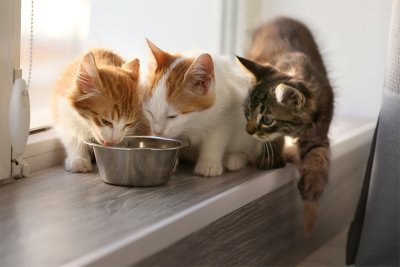
Can cats drink milk?
No, most adult cats are lactose intolerant and consuming milk can lead to digestive upset like diarrhea. While kittens can drink their mother's milk, cow's milk and other dairy products are generally not good for them. Instead, soothe them with treats specifically crafted for them.

Cat litter 101
When picking a kitty litter tray, think about your cat and the size of tray that it will need. Place the tray in a quiet area away from food and your cat’s sleeping area. Cats are sensitive to texture, so fill their litter box with a material they enjoy and maintain a good depth. To prevent odors and accidents, scoop daily and perform a full deep-clean every few weeks.
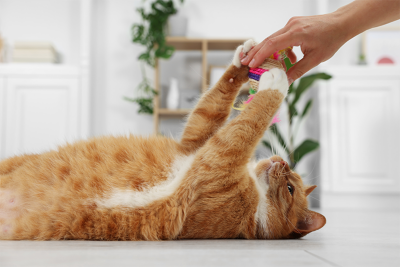
Keep your cat happy and active
To keep your cat mentally and physically sharp, provide a mix of vertical space and interactive play. Cat trees and towers are great as they satisfy the instinct to climb and offer a safe high ground for napping. Pair these with a variety of toys to mimic natural hunting behaviours to keep them entertained.
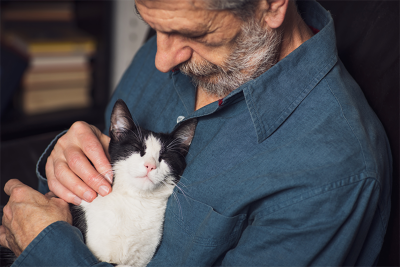
Get pet insurance
Insuring your cat may help you when it comes to covering some of the costs involved with owning a cat. Whether you have an active kitty that likes to explore the great outdoors or a less energetic feline that prefers lounging around inside the house, pet insurance may help with unexpected costs associated with care, illness or accidental injury.