
Your guide to baby teething – from newborn to toddler

Teething, also known as cutting teeth or tooth eruption, is a rite of passage for babies. Those tiny pearly whites have been hiding under the gums, but now it's time for them to break free and add some sparkle to your little one's smile.
We know that teething can be a tough time for both the baby and the parents. But you're not alone in this journey. We've put together a guide with everything you need to know about supporting your little one through the baby teething process.
When does baby teething start?
The timing of teething can vary greatly from baby to baby. In most cases, the first signs of teething appear around nine months, but it can start as early as three months or even as late as 12 months. The entire teething process can last up to 33 months.
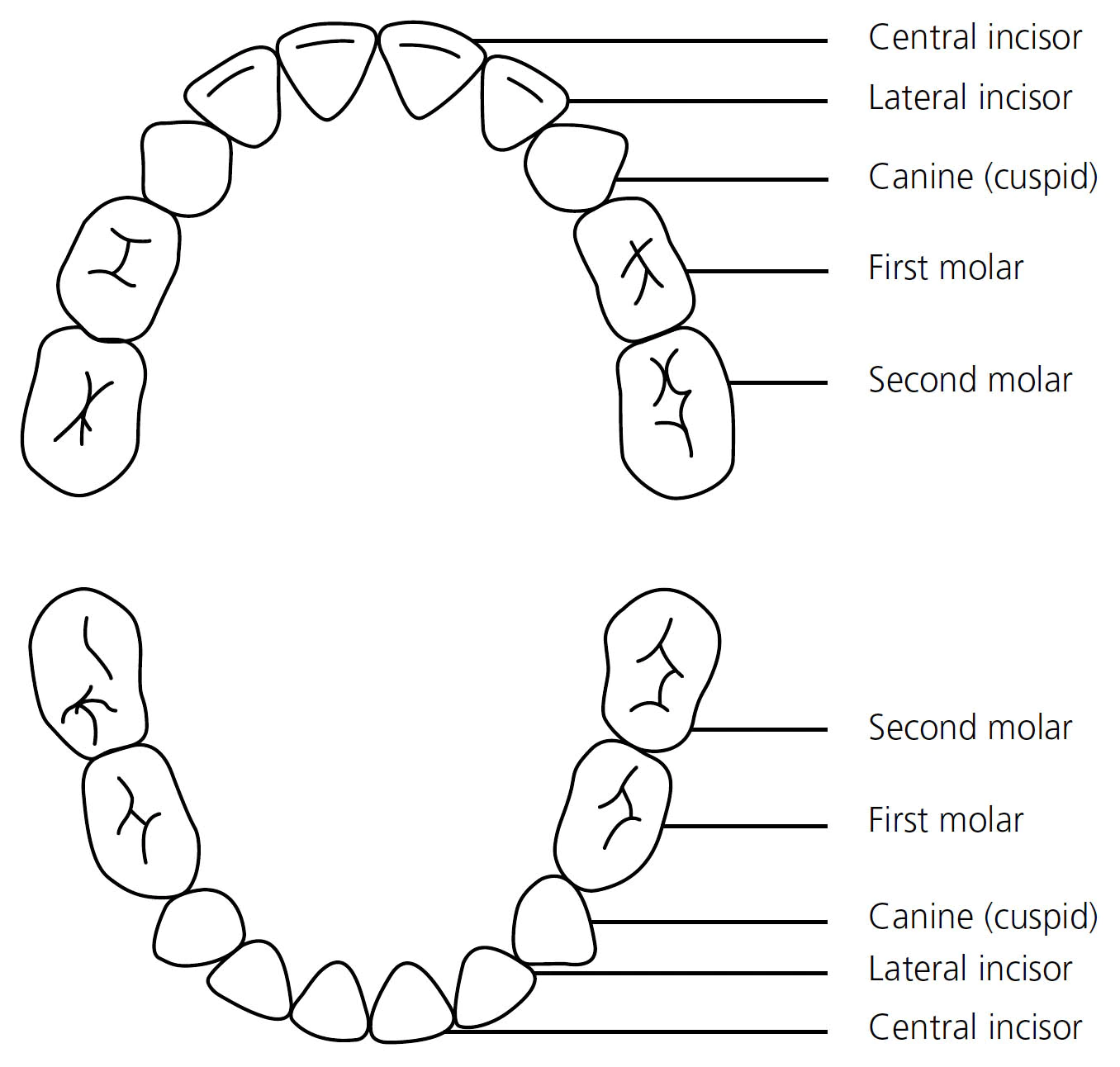
While it's impossible to predict the exact timing of your child's first tooth, there are five stages of teething that they will go through: central incisors, lateral incisors, first molars, canines and second molars.
We know that teething can be a tough time for both the baby and the parents. But you're not alone in this journey. We've put together a guide with everything you need to know about supporting your little one through the baby teething process.
Teething stages
1 of 5
These are the baby's two front and two bottom teeth. You should see the bottom two appear at 6 to 10 months, the top two at 8 to 12 months.
2 of 5
The lateral incisors are located to the left and right of the baby’s central incisors. The top arrive at 9 to 13 months, the bottom at 10 to 16 months.
3 of 5
First molars are one of two types of molars found at the back of the mouth. The top first molars cut at 13 to 19 months, the bottom at 14 to 18 months.
4 of 5
Canines are fang-like teeth that sit at the mid-front of your toddler’s mouth, next to the incisors. The top canines will erupt at 16 to 22 months, the bottom at 17 to 23 months.
5 of 5
Lucky last, second molars are also known as two-year molars. The bottom ones show up around 23 to 31 months, the top ones at 25 to 33 months.
Find out more about when each tooth is likely to erupt, download this PDF from the Australian Dental Association
Signs that your baby is teething
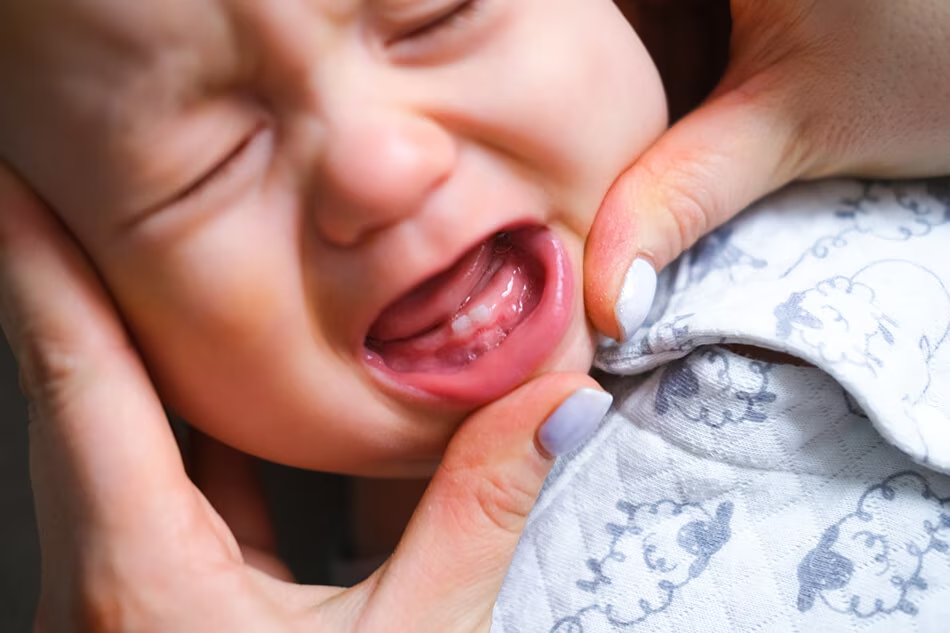
Teething can be tough to tell, as the signs can be subtle in the early stages. But as the tooth starts to break through the gum, look out for these telltale baby teething signs and symptoms.
The truth about teething, fevers and colds
A common misconception about teething is that it can cause a fever. But in reality, while your baby might feel a little warmer than usual, teething is almost never the cause of a fever. If your baby has a temperature, it's best to consult your child's doctor, as there may be other factors at play.

Starting a baby oral care routine
When it comes to beginning your baby’s dental care, it’s recommended to use a teething toothbrush from when their first tooth appears and to use baby-safe fluoride toothpaste from 18 months.
The appearance of the first tooth is the perfect time to schedule your child's first dental appointment. This visit will allow your child to become familiar with the dentist and for you to ask any questions about teething and baby oral health.
It is advisable to research and find a reputable dentist, preferably one with staff experienced in working with young children. You can also ask for recommendations in local parenting groups on Facebook.
The Australian Dental Association recommends your baby’s first dental visit should occur around the time their first tooth appears in their mouth or at 1 year of age, whichever comes first.

How to comfort a teething infant
Luckily, you don’t have to sit back and helplessly watch your child in pain. There are several things you can to comfort your child, no matter their teething stage.
- Always keep your baby’s favourite snuggly toy close by
- Wash your hands before gently rubbing the gums – watch out for biting
- If your bub has excessive drooling, keep the area dry to avoid rashes – use a bib, wet face washer, soft tissue or alcohol-free wipe
- Give your bub a cooled (not frozen) ring or soother
- Let your baby suck on a cool, clean face cloth or rub the back of a spoon along the gums
- Offer the little one something firm (and safe) to suck on – sugar-free teething rusks are perfect for this if they are over eight months
- If solids have been introduced, feed your baby soft foods like porridge or vegetable mash to give your baby’s gums a break (and reduce the need for chewing)
- Apply pain relief teething gel to your baby’s gums with clean hands
- If you have a toddler, use activities and games to distract them from the pain – anything from board games to sprinklers is a good idea.
Sometimes, it can feel like nothing brings relief to your baby or toddler. Chat with your GP or paediatrician to learn which products are best for your child.

Teething at night
It’s common for nights to be harder for teething children. At night, there are fewer distractions and toys to play with or chew on. If your bub is struggling to settle, often all they’ll need is a snuggle. But, if they’re still unsettled, you may want to try using a teething gel if appropriate for your child’s age and needs.