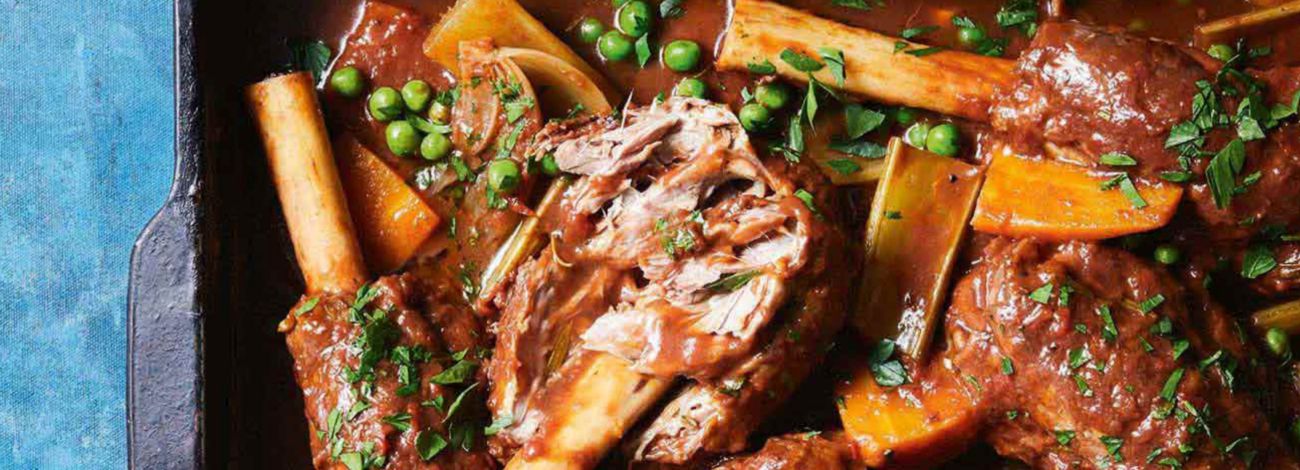
How to slow cook: Slow cooking tips & tricks
An introduction to slow cooking
No time of year is better suited to slow cooking than the cooler months. From casseroles and curries to braises and even desserts, cooking low and slow is an easy and versatile method to master.
Cuisines all around the world use different slow cooking methods; whether in a pot over a fire, in a pit in the ground, or in a covered dish in a slow oven. It’s not only a simple way to prepare meals, it’s also budget-friendly because slow-cooked tougher (and often cheaper) cuts of meat turn into tender melt-in-your-mouth morsels. Think brisket, shanks, cheeks and ribs. It’s not all about meat, though, cooking low and slow works just as well with vegetarian dishes, especially dishes with lentils and chickpeas.
Slow cooking on the stove
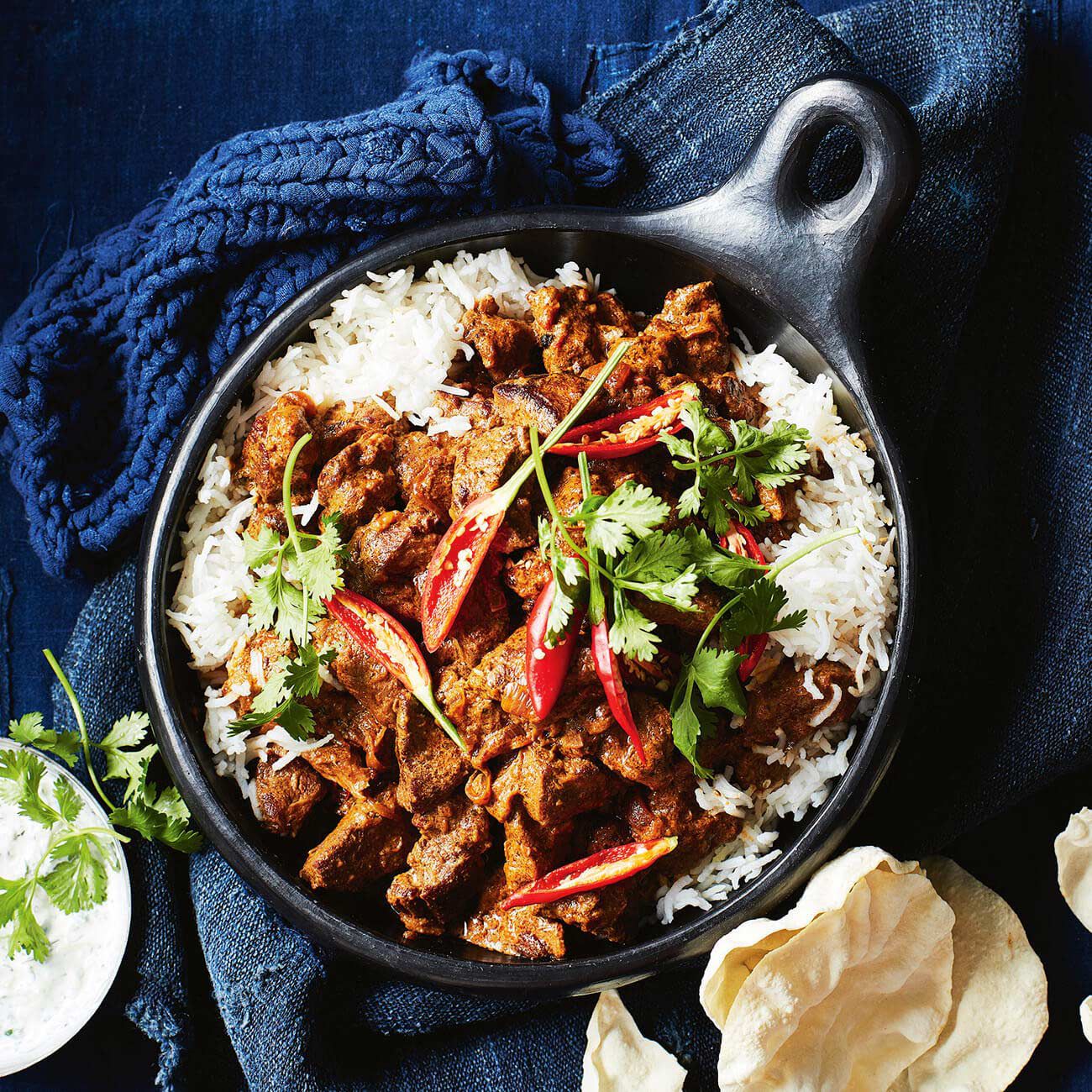
Stovetop slow cooking is perfect for soups, stews and curries. Cooking directly over a stove element – induction, electric or gas – gives you more heat control because you can quickly raise or lower the temperature as needed. There’s slightly more preparation involved though: meat often needs to be browned first, removed from the pot, then added back to a base of aromatics and vegetables. Some recipes call for raw meat to be added straight to the cooking liquid while other recipes are started on the stove and finished in a slow cooker.
Slow cooking in the oven
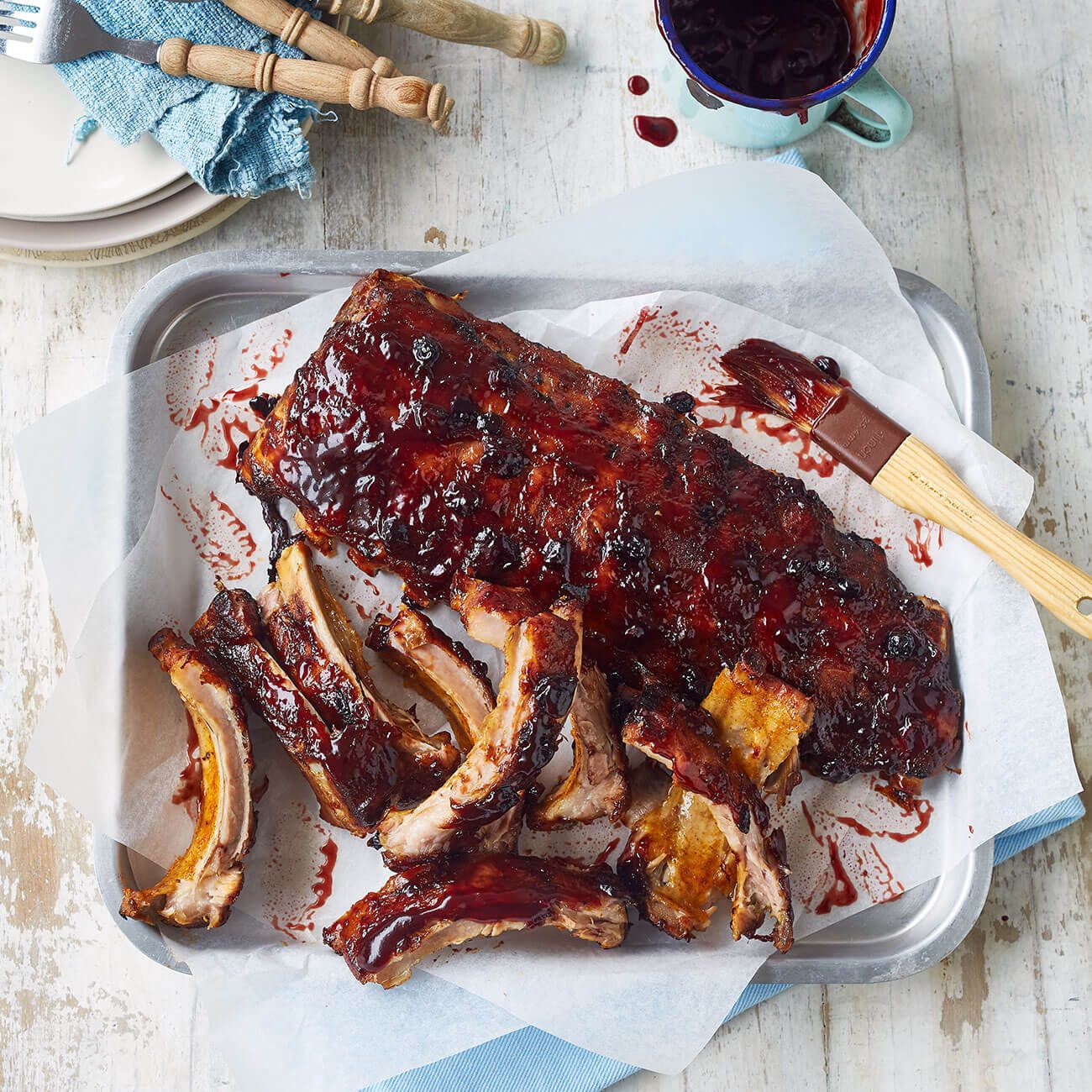
Slow cooking in the oven is popular for tougher cuts of meat that need to be braised first and then crisped or browned on the outside using higher temperatures. If you’re not using a lid or foil to cover the meat, basting helps to prevent it from drying out – an important step for larger roasts. Keep the oven temperature between 130°C and 150°C for long, gentle roasting and the temperature of braising or simmering liquids should never be higher than the desired internal temperature of the meat you are cooking; use a meat thermometer to monitor this.
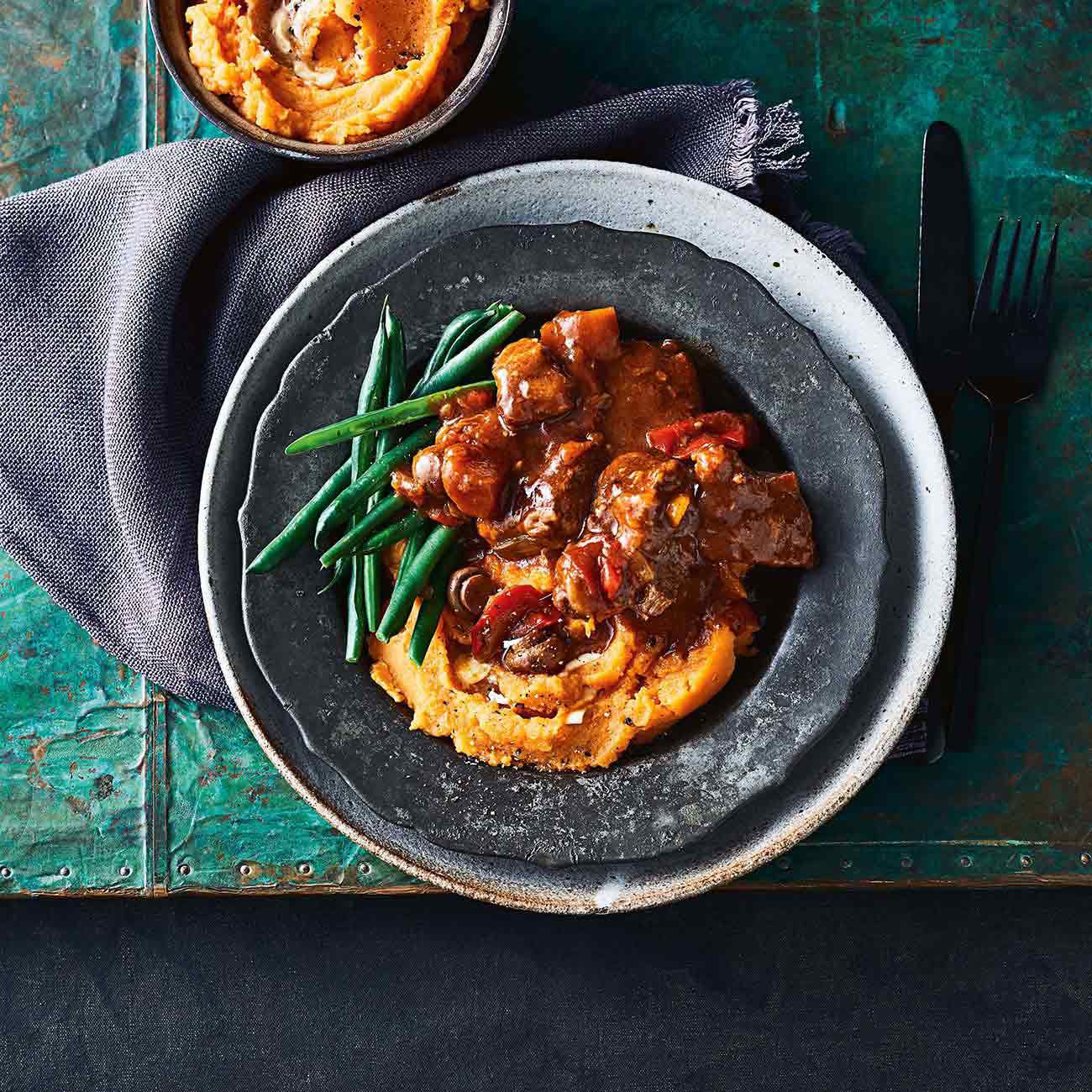
Slow cooking in the crockpot or slow cooker
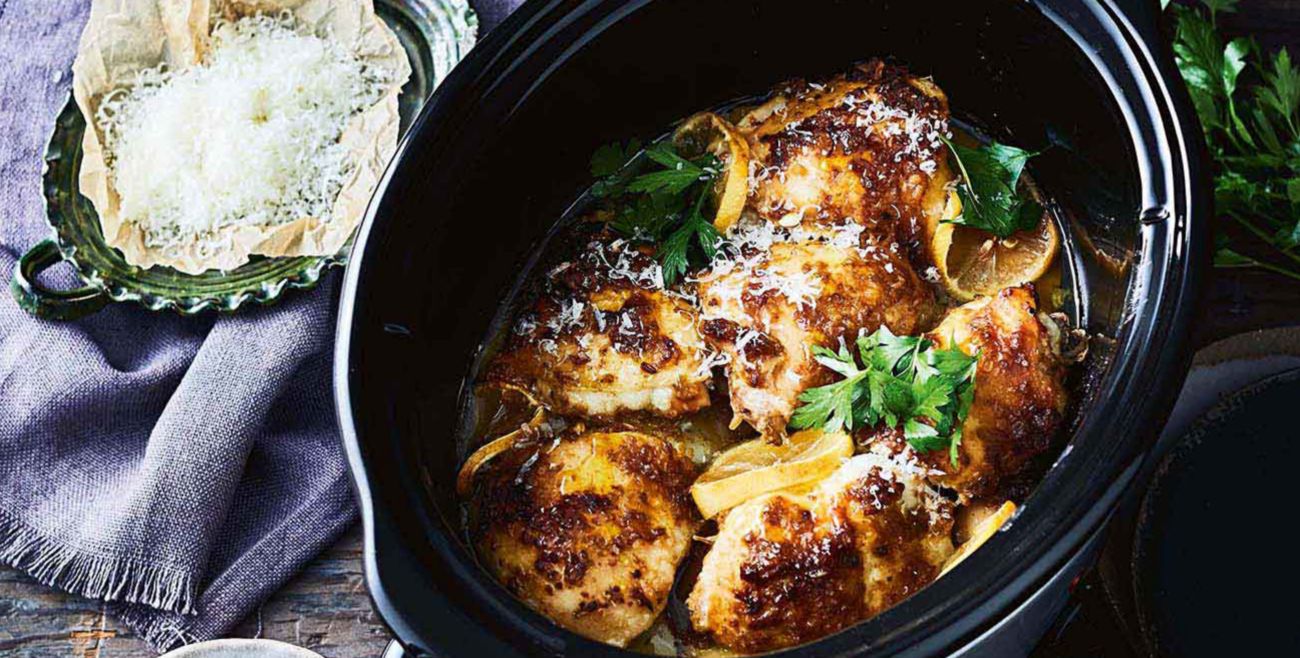
The ultimate set-and-forget form of slow cooking, a slow cooker equipped with a timer means you can cook a meal overnight or during the day without having to keep an eye on the stove or oven. And there’s less washing up. Slow cookers seal in liquids, and recipes usually don’t require additional fats or oils as there isn’t an opportunity for rendering or evaporation. The flipside is that the cooking liquid won’t reduce, so sauces may need to be thickened with flour or reduced by simmering on the stovetop. Recipes designed to be cooked in the oven or on the stove can be adapted for a slow cooker by using less liquid.
Slow cooking recipes & ideas
Slow cooking tips
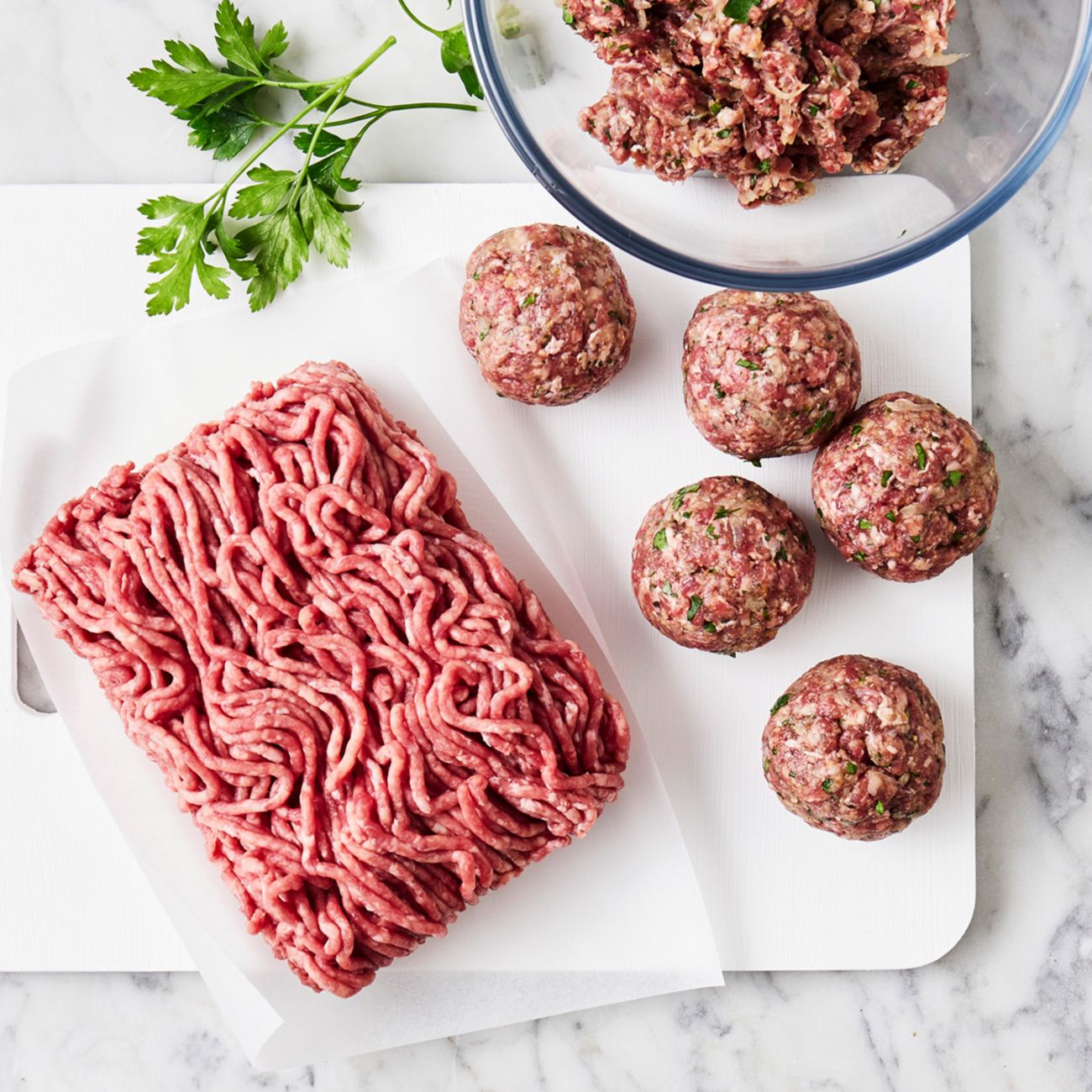
Preparing your ingredients
For easy weeknight meals, prepare your vegies, meat and marinade in advance and store them together in containers in the freezer. When you’re ready, remove from the bag and place into your slow cooker. You will need to increase the cooking time when you’re cooking from frozen.
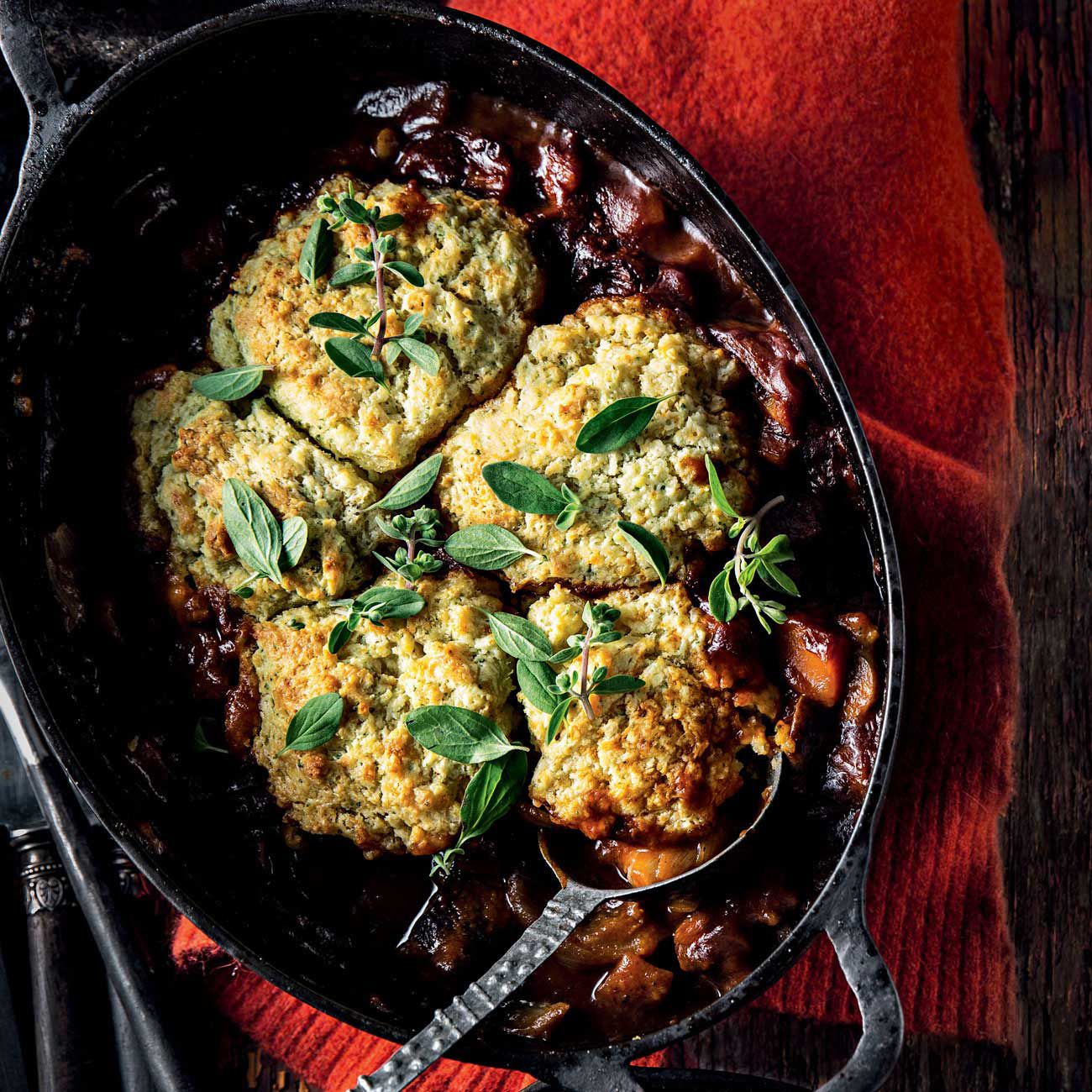
Loading your slow cooker
Some ingredients take longer to cook than others. The bottom of the slow cooker cooks the fastest, so place root vegetables in the cooker first, then top with the meat and pour over liquids to prevent the meat from drying out. As dairy products tend to break down and separate, it’s best to add them in the last hour of cooking or just before serving.
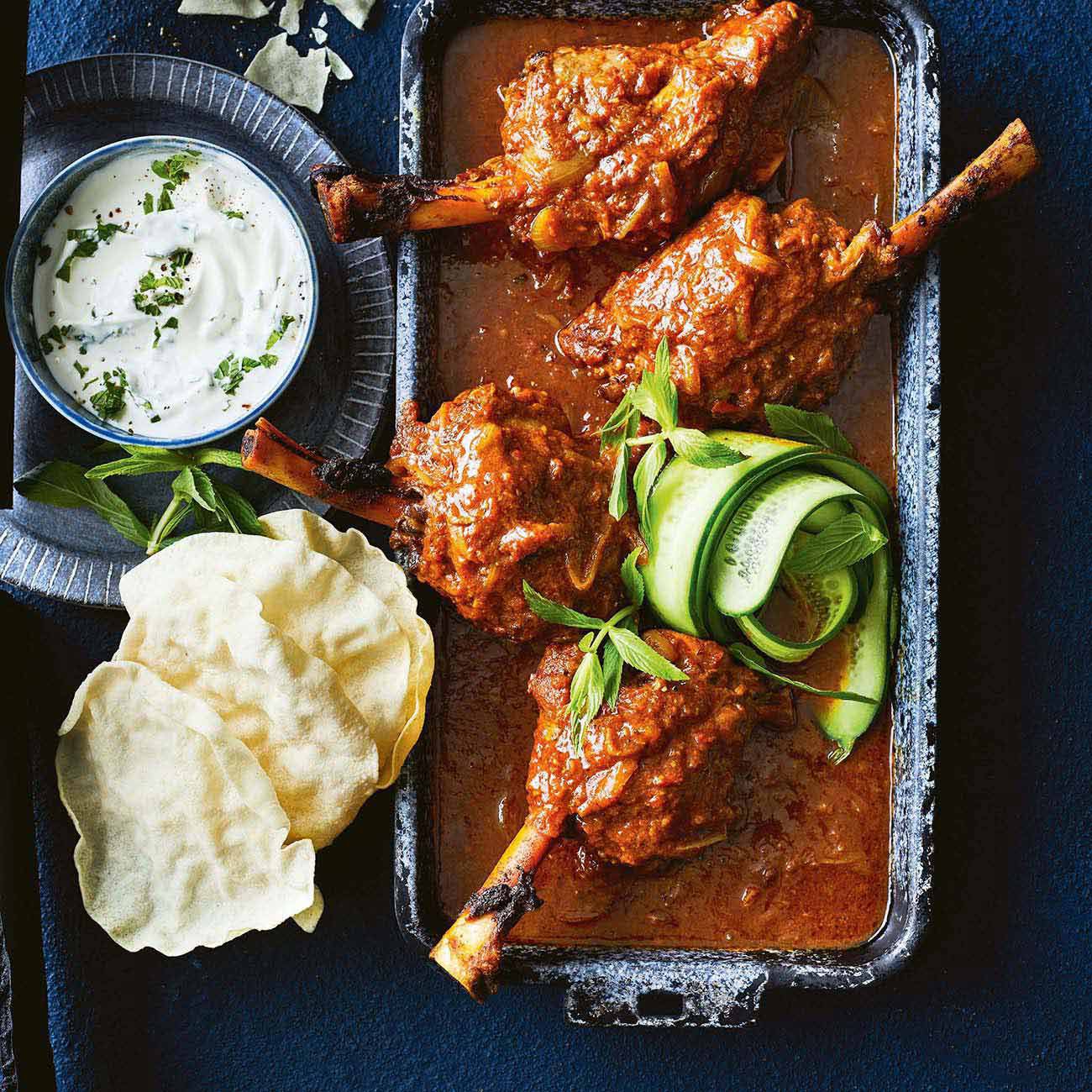
Tips for cooking
With a slow cooker, the cooking is the easiest part. Once the ingredients are prepared and placed in the cooker, all that’s left to do is set the temperature and timer:
- LOW for a longer cooking period.
- HIGH for a shorter cooking period.
Note: Ensure you read the instructions on your slow cooker, as times may vary between brands. Once the lid has been locked, resist the urge to open and stir, as any heat lost will extend your cooking time by 20-30 minutes each time.
Cleaning after slow cooking
One-pot cooking means a one-pot clean up! Choose a slow cooker with a removable pot and soak it in hot, soapy water when you’re done. Transfer all leftovers into airtight containers and avoid letting food cool in your slow cooker - it’s designed to retain heat, making it a perfect breeding ground for bacteria.