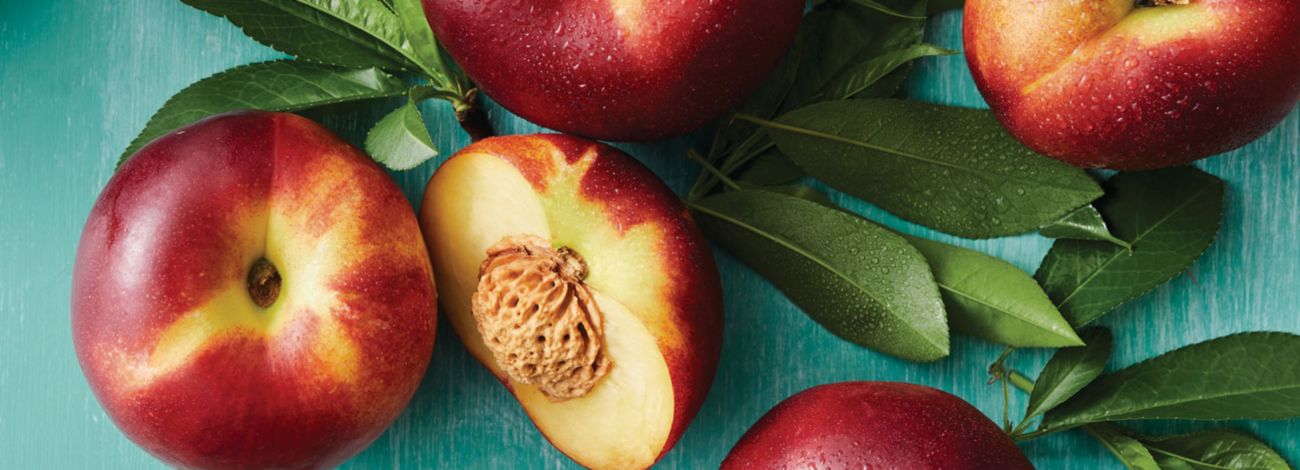
A guide to stone fruit season in Australia
Summer means stone fruit season, and this year’s fruit is looking especially delicious. From peaches and plums to apricots and nectarines, get to know these juicy fruits, see what’s in season and discover their versatility with our top stone fruit recipes.
What is a stone fruit?
A stone fruit is an edible, fleshy fruit characterised by a large, central pit or ‘stone’ encased within the fruit’s flesh. Australian stone fruit varieties are highly seasonal, making them the fresh fruit stars of summer and the fruits most commonly associated with the term ‘stone fruit’ are peaches, plums, apricots and nectarines.
How to pick
Look for a vibrant colour and smooth, unwrinkled skin. Ripe stone fruit should have a sweet, floral aroma. And, if you like your fruit sweeter, look for yellow-gold speckles.
How to use
Stone fruit can be grilled, sautéed, baked, stewed, preserved or eaten fresh. They’re great in desserts, savoury dishes and main meals. See recipes below for more inspiration.
How to store
Store stone fruit out of direct sun and at room temperature as they ripen, but once ripe pop them in the fridge to help them last a little longer. Wash right before use.
Trending stone fruit recipes
Take your summer cooking to the next level by exploring the incredible versatility of stone fruit in these recipes, from baking plums in desserts to adding peaches to your summer salad.
Popular types of stone fruit
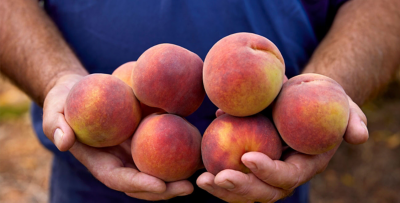
Peach
In season: November–March
Peaches are a popular stone fruit that reach peak availability in January and February and have fuzzy skin, a large pit and juicy flesh.
Types of peaches
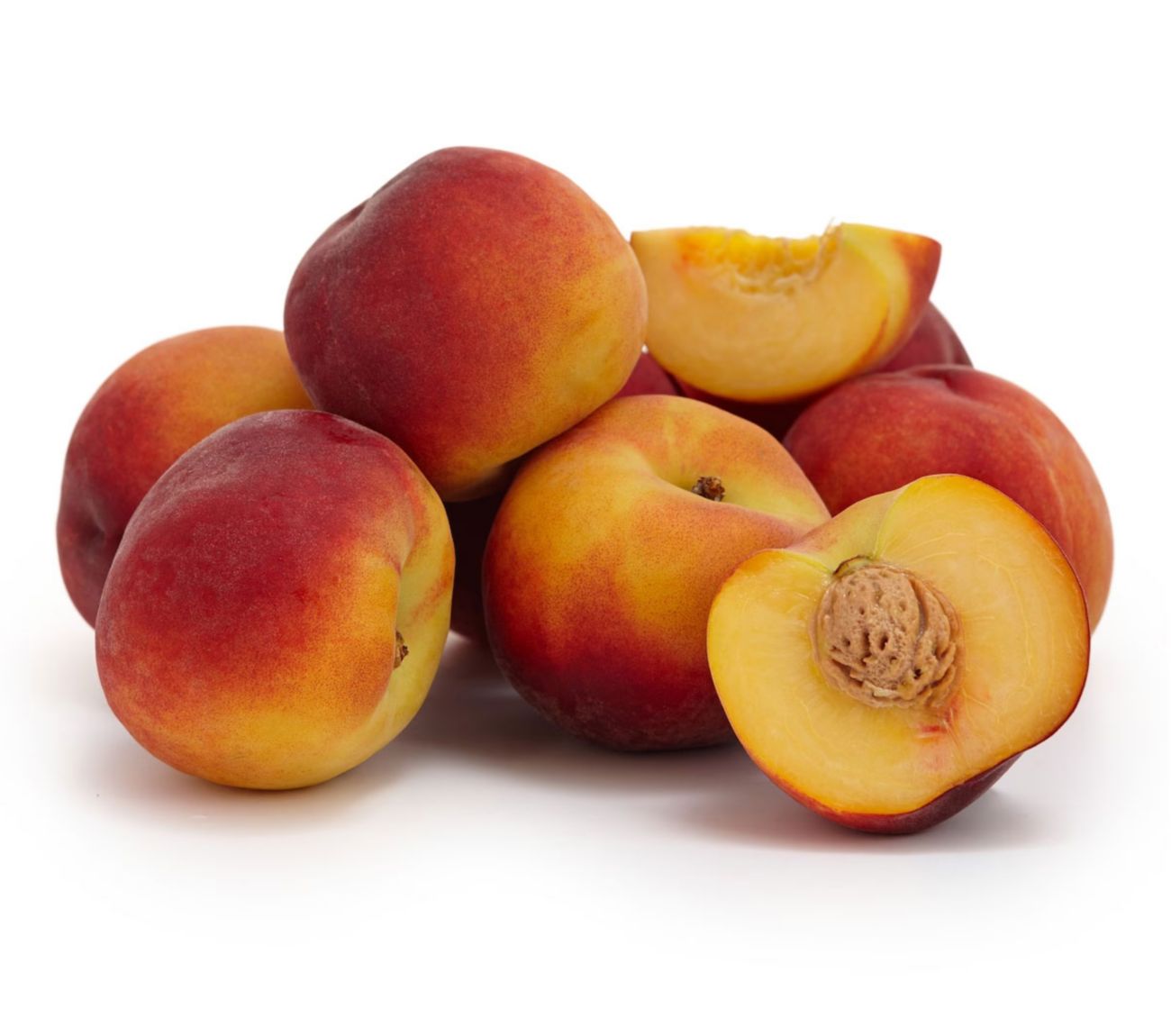
Yellow peaches
Yellow peaches boast a tangy-sweet, warm golden flesh and a deeper red fuzzy skin.
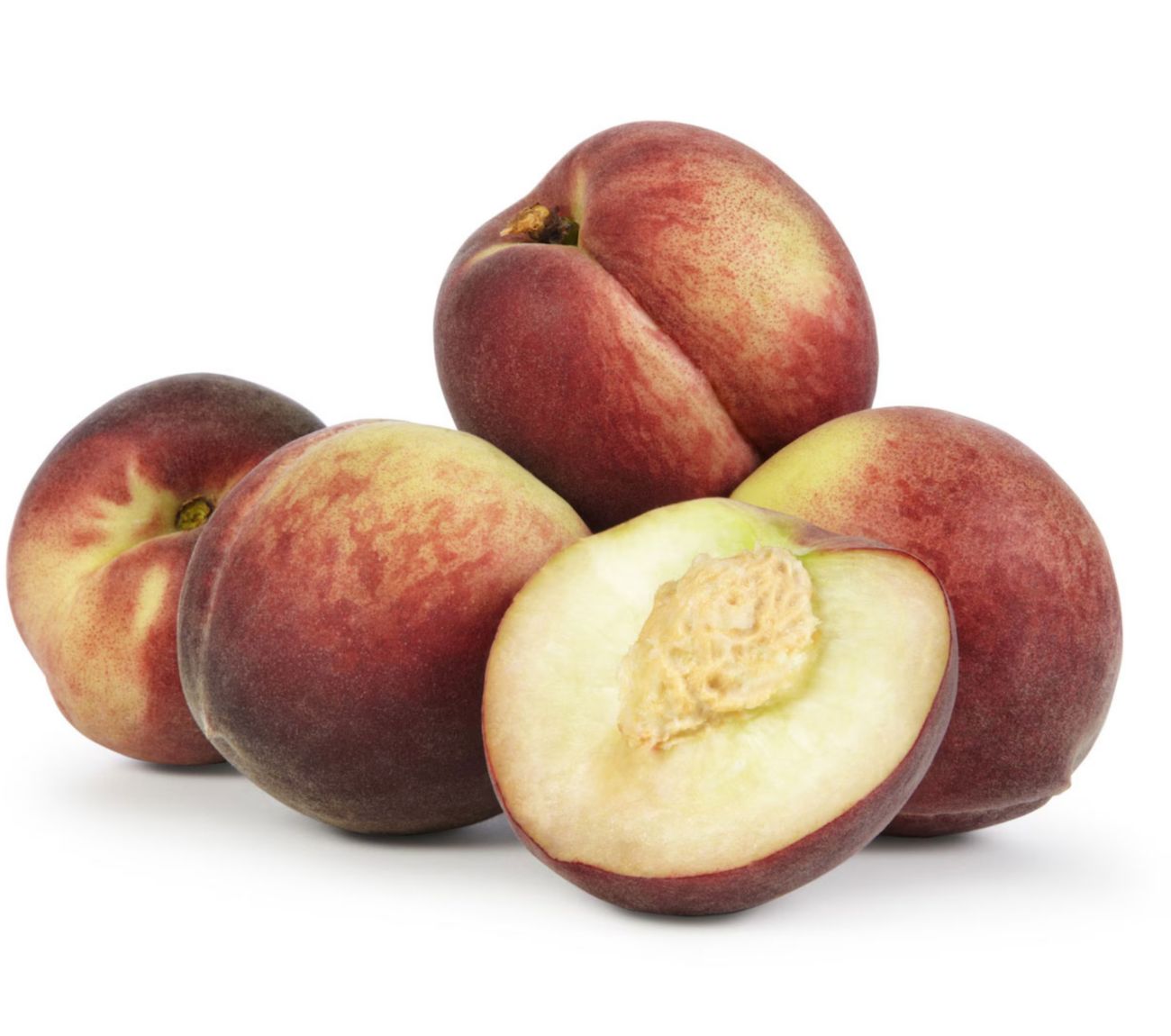
White peaches
White peaches are much sweeter with a delicate texture and pale pink, fuzzy skin.
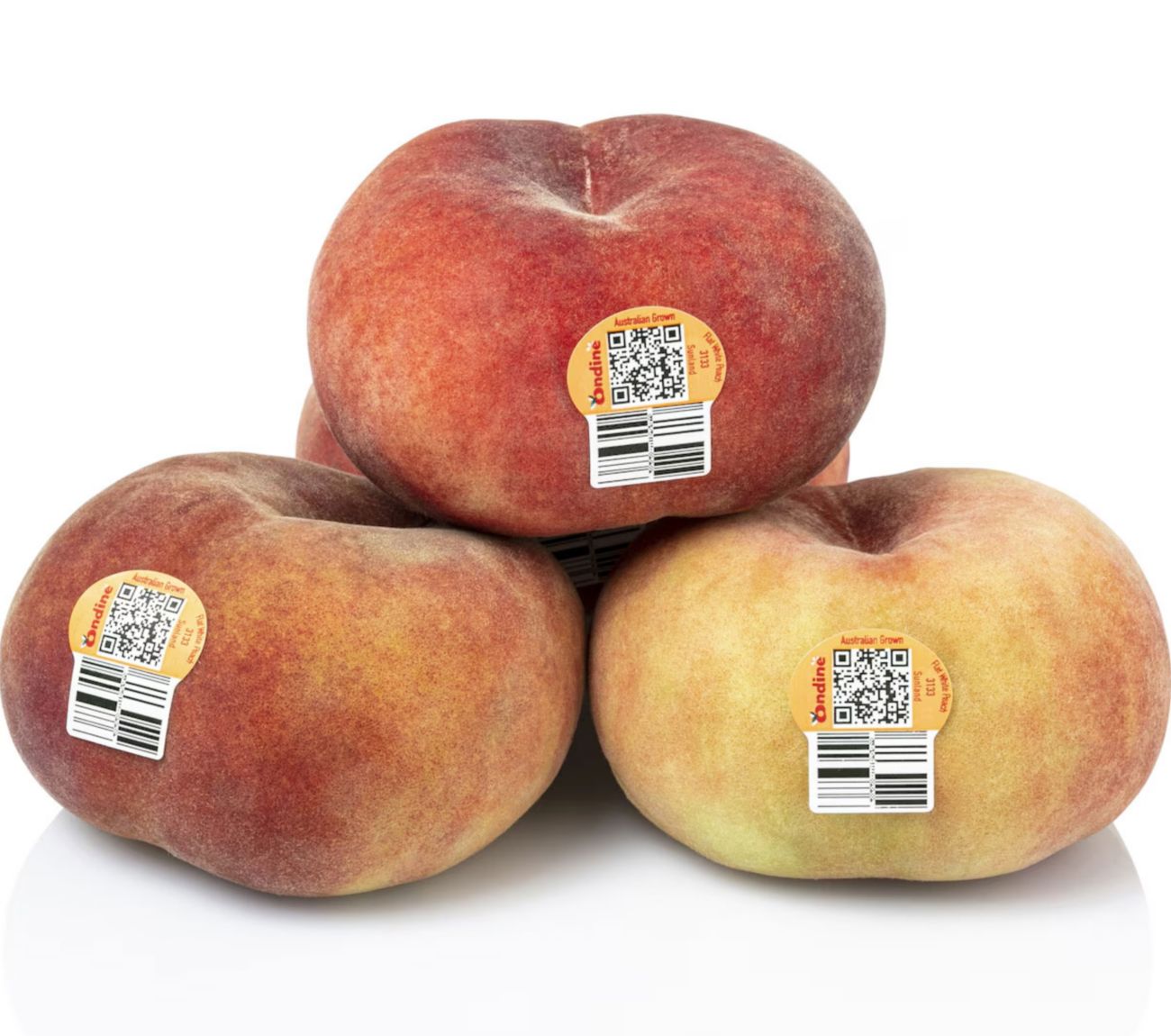
Flat peaches
Flat peaches are super-sweet with white flesh, a small seed and flatter shape.
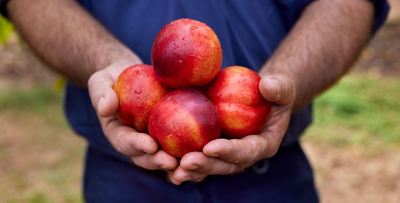
Nectarine
In season: November–March
Similar to peaches but with a distinct smooth, fuzz-free skin and firmer flesh, nectarines thrive in Australian summer with their peak season occurring in January and February. They are also categorised as yellow or white.
Tip: Pit, slice and freeze nectarines for up to one year, or preserve using water, honey, lemon juice and spices for up to two weeks in the fridge.
Types of nectarines
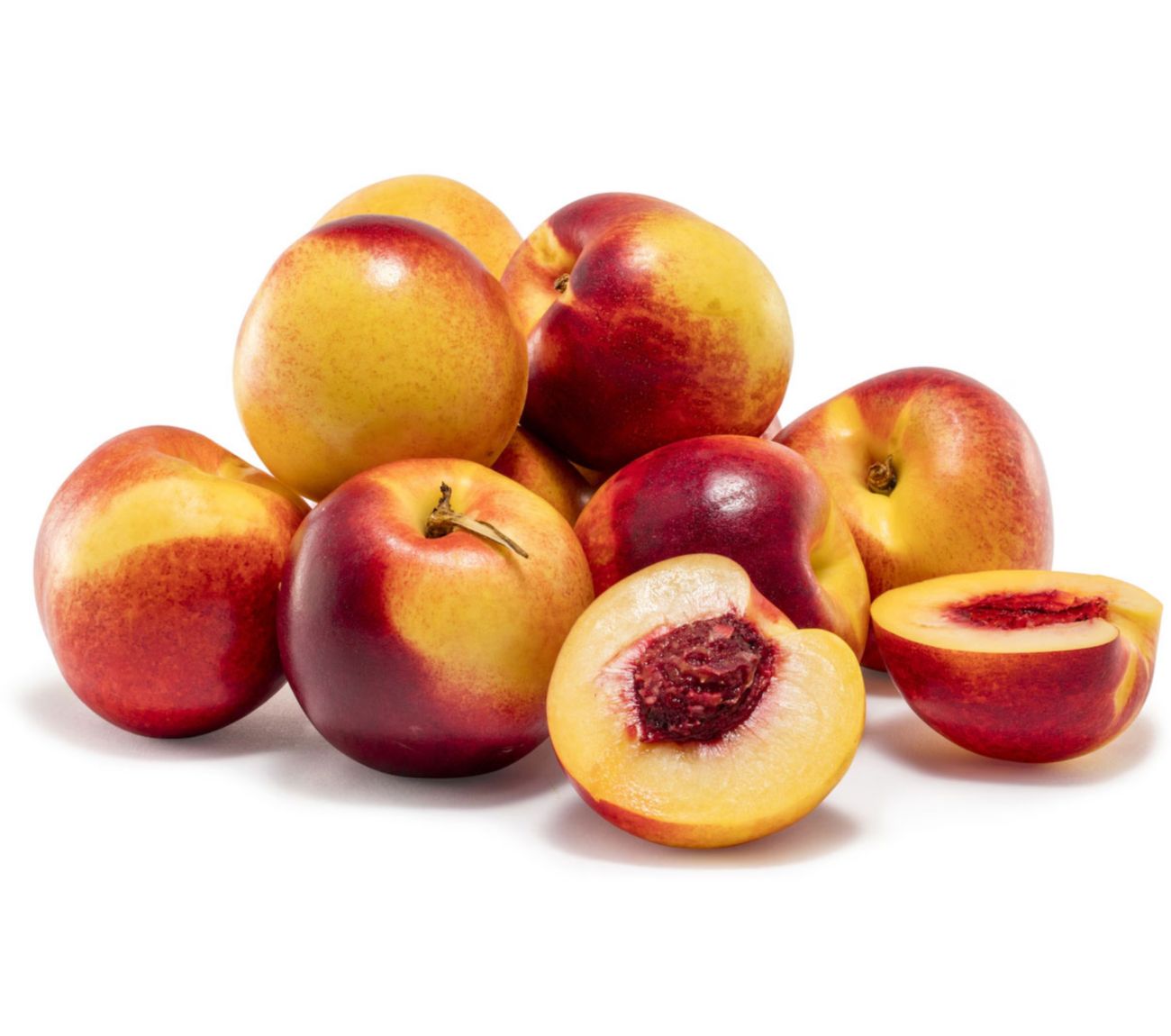
Yellow nectarines
Yellow nectarines have a smooth yellow, orange or red skin, with juicy yellow flesh that’s tart when firm and sweet when ripe.
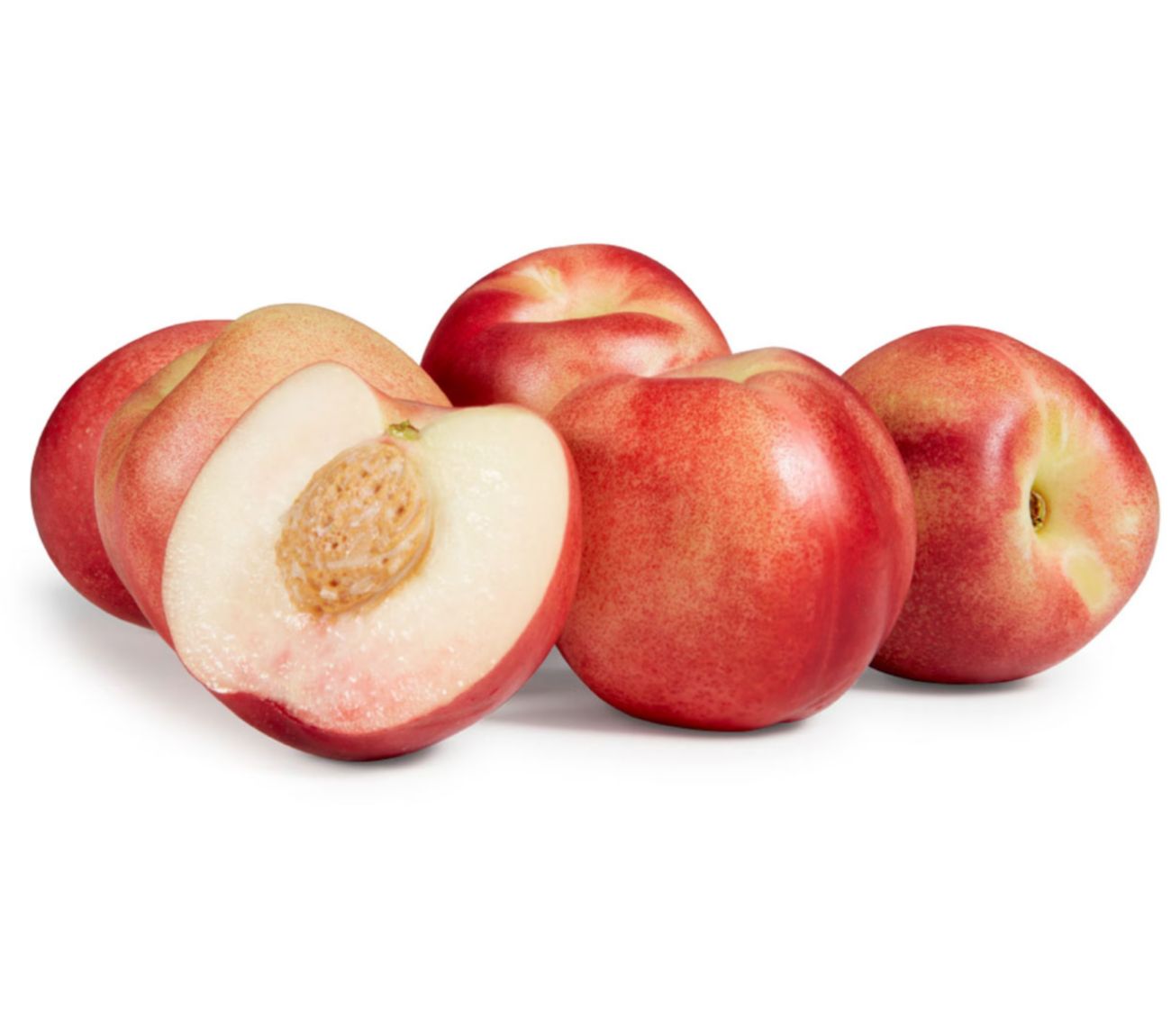
White nectarines
White nectarines have pale-coloured flesh with a smooth orange or red skin. They’re beautifully sweet, even when firm due to a lower acidity.
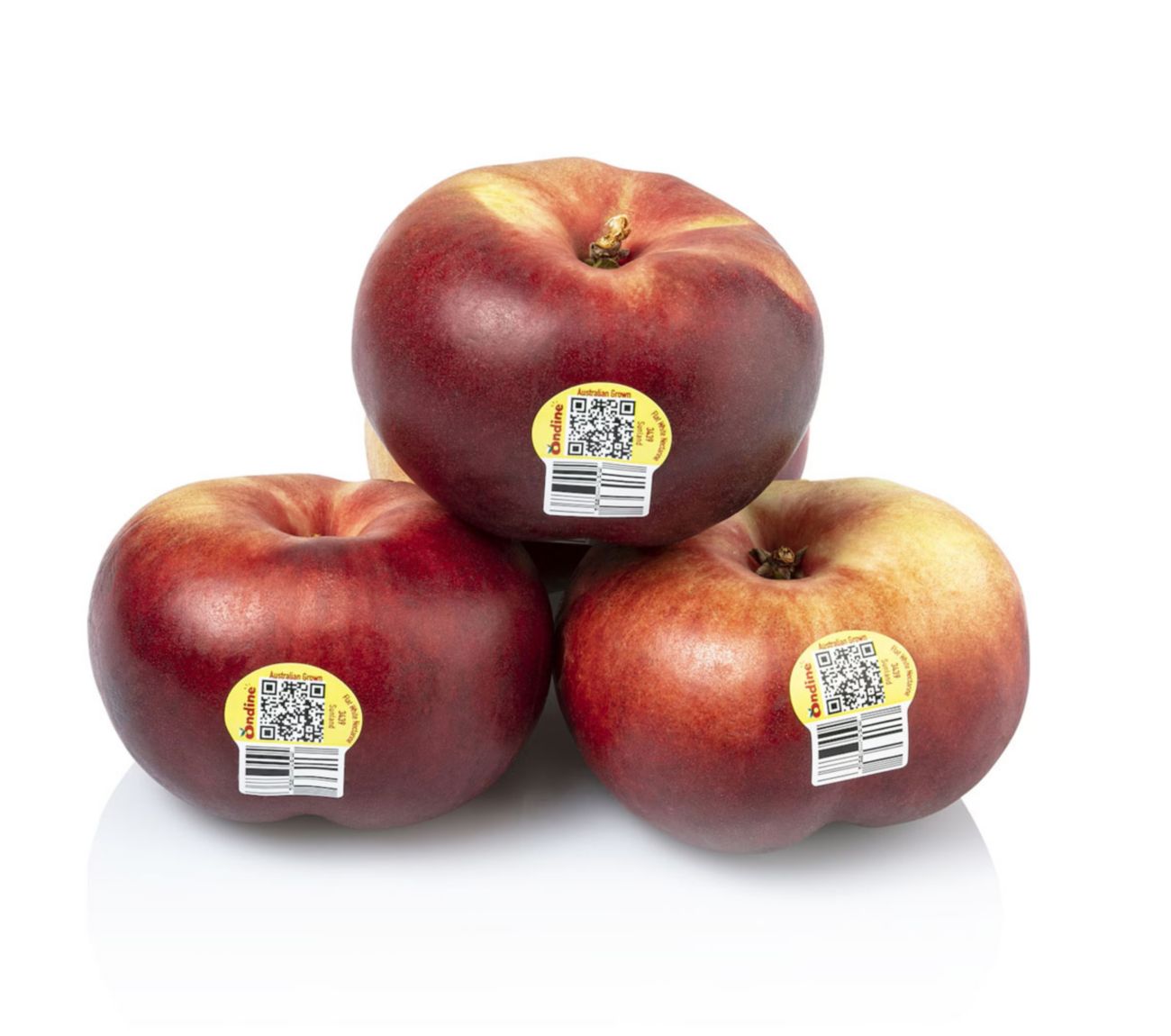
Flat nectarines
Flat nectarines are sweet, with yellow flesh and a small seed and flatter shape.
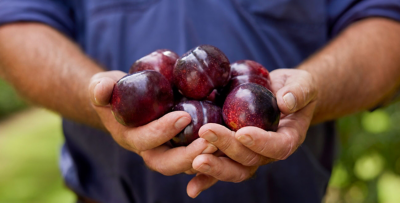
Plums
In season: December–March
Plums have a thin, smooth skin and substantial range of flavours, which shift from intensely tart to remarkably sweet.There are many plum varieties, with the most common identified by colour.
Types of plums

Black plums
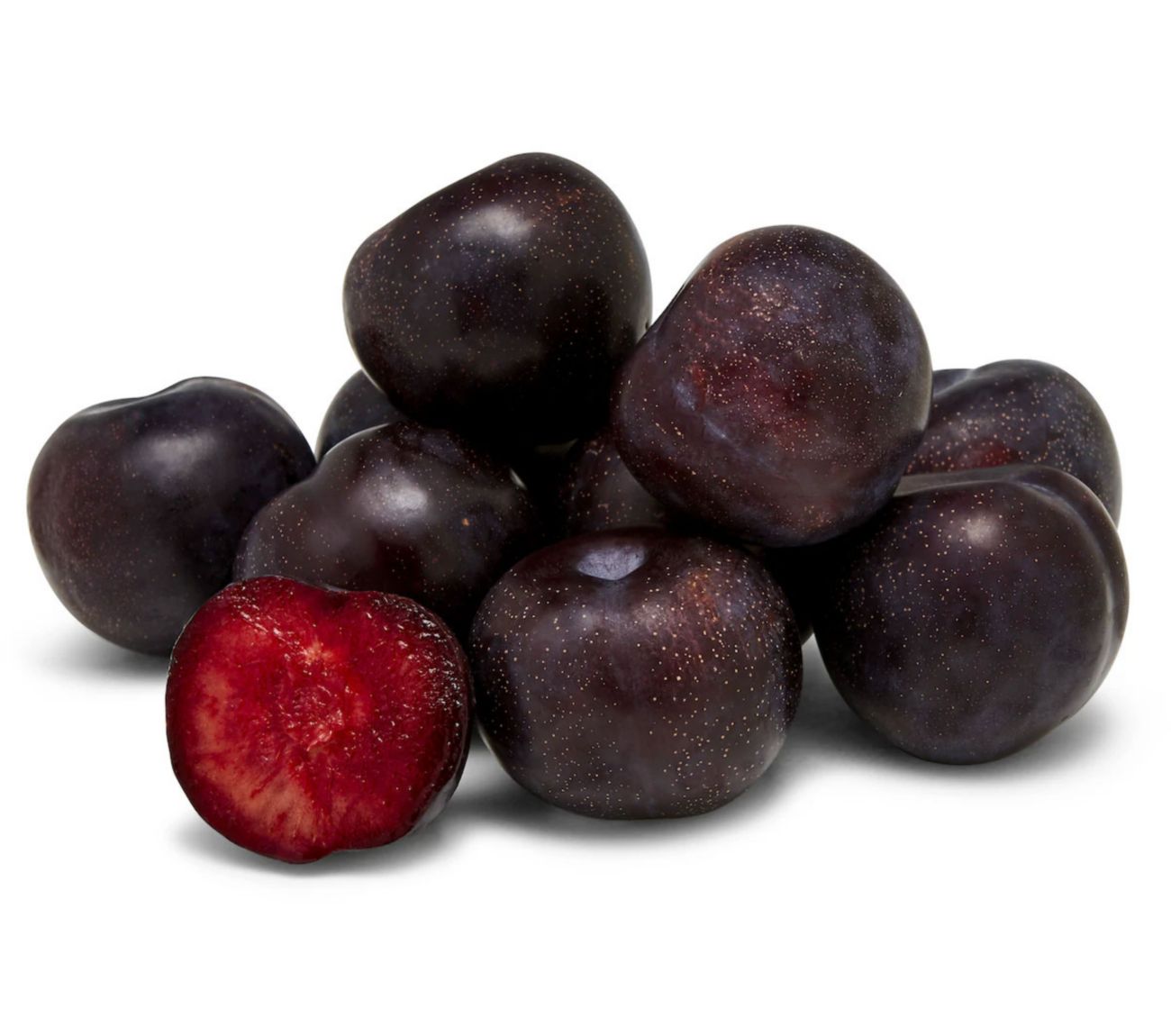
Australian black plums have a dark red, sweet skin that’s soft to the touch when ripe, and a juicy red flesh that’s slightly tart.
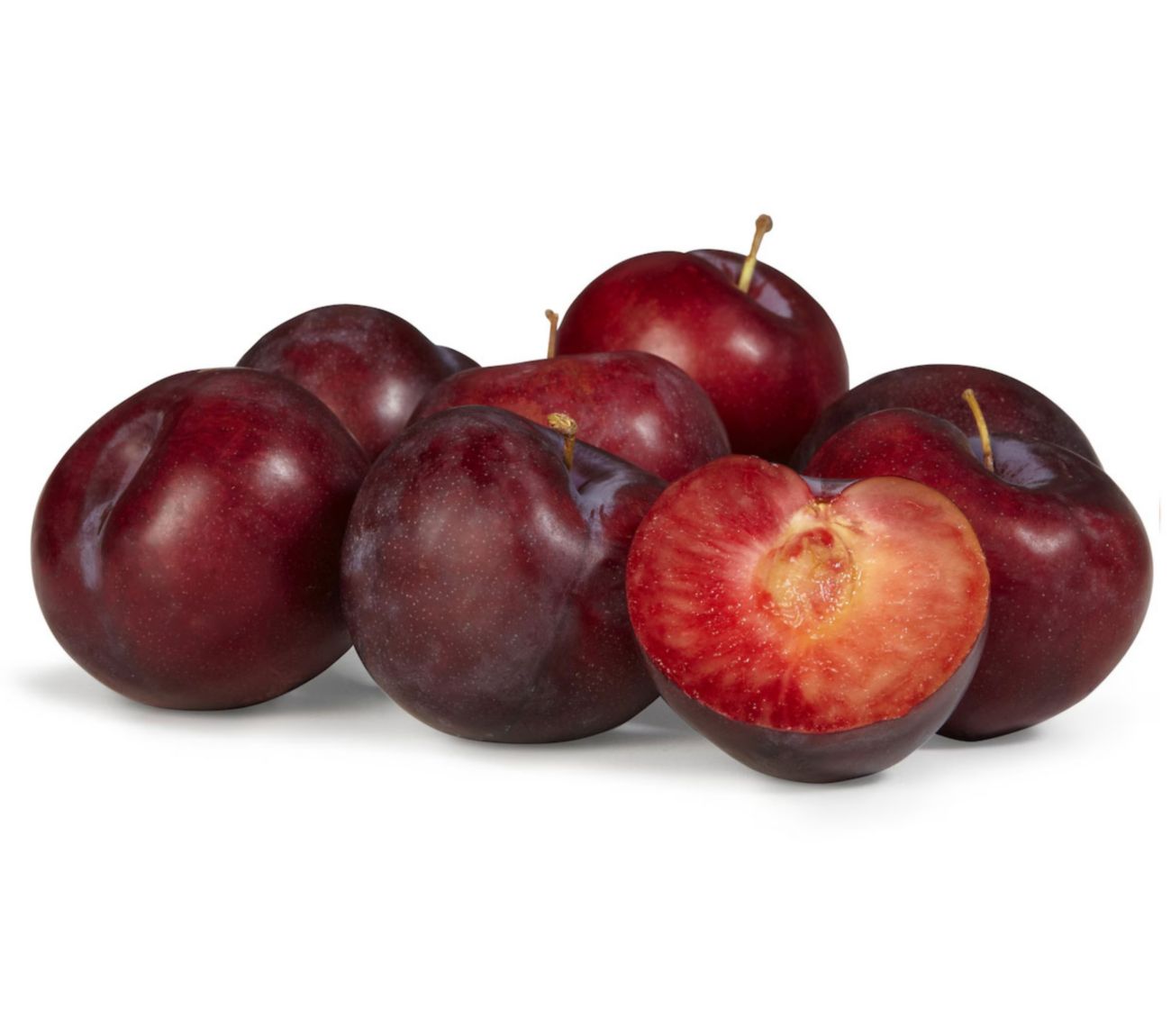
Red plums
Red plums are sweet and juicy, with a slightly tart skin. They’re generally sweeter than black plums.
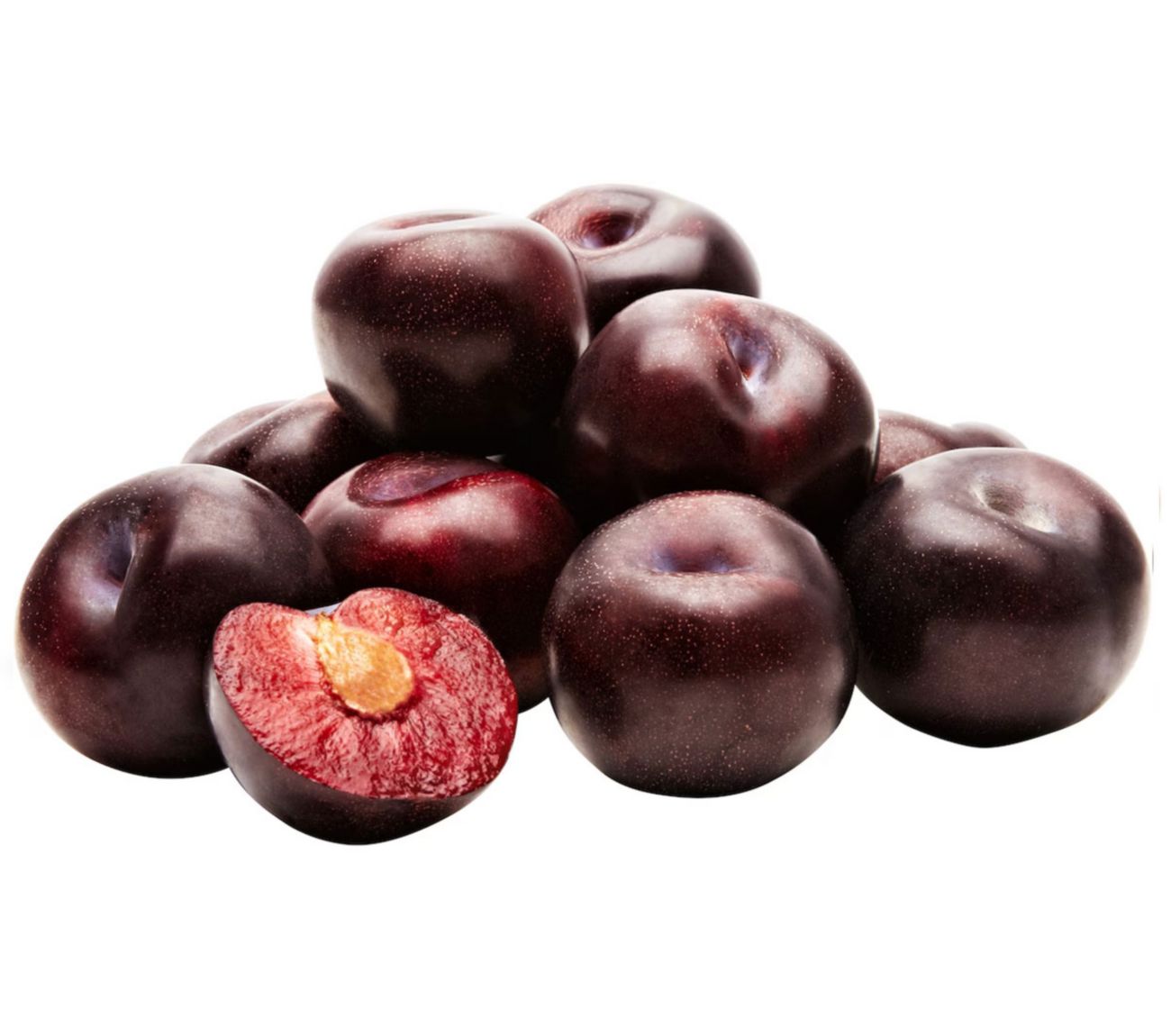
Croc Egg™ plums
Croc Egg plums are exclusive to Woolworths, and can have black, red or dappled skin. They’re known for their juicy, sweet taste.
Queen Garnet plums
Queen Garnet plums are dark purple in colour, both skin and flesh. With lower acidity, they’re sweeter than other plums.
Apricots
In season: November–February
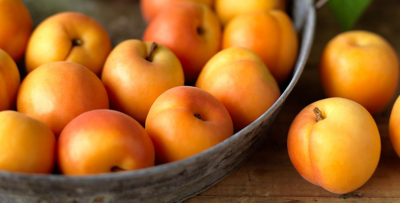
Australian apricots signal the beginning of the stone fruit season, arriving on shelves as early as November. They’re a delicate and fragrant stone fruit with a creamy texture, velvety skin and characteristic yellow-orange hue. With sweet honey notes and a pleasing tartness, ripe apricots are juicy with a firm texture.
Videos for stone fruit tips
Tips & ideas for peaches
Ways with plums
Discover more on stone fruit